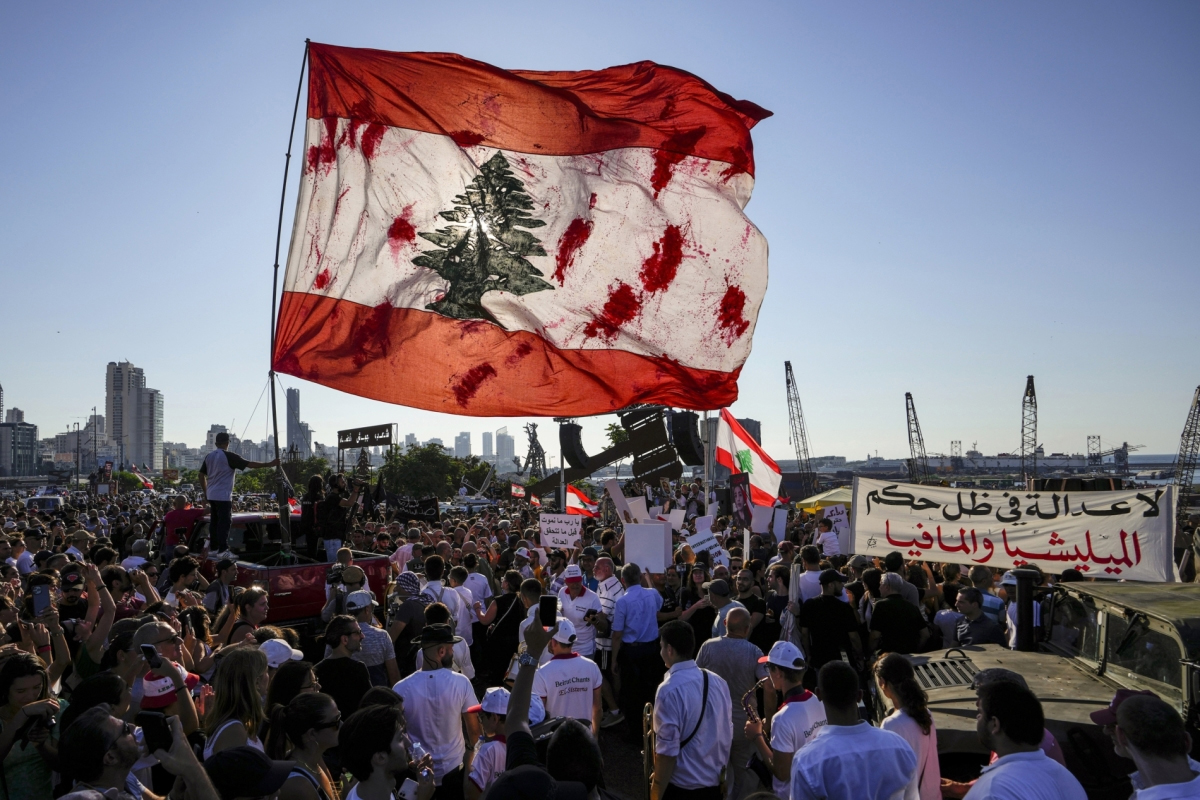
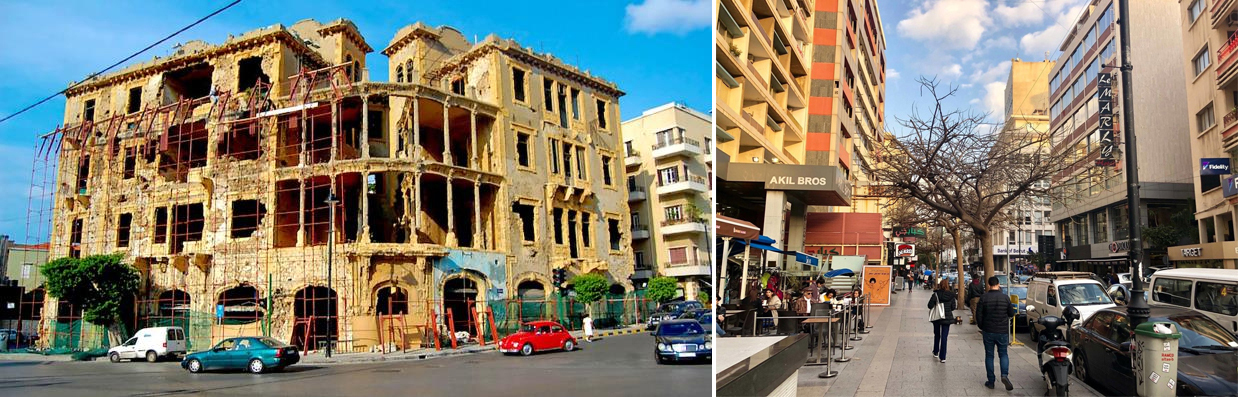
Art has played an influential role in making sense of the loss felt after the August 4 explosion. Tom Young’s “Strong Angels” and other paintings show a human dimension of the tragedy and its civilian heroes, who “join forces to lift the city’s grief,” writes Darine Houmani of Diffah Three (The New Arab). “Despite all its devastation, the August 4 explosion brought greater impetus to preserve our heritage and brought about a database of our historical buildings that hadn’t been done before,” states Mona Hallak, an architect, heritage activist, and director of the American University of Beirut’s Neighborhood Initiative, as cited in The New Arab. Several weighed in on the rebuilding efforts, including Lebanese architect Jad Tabet, who proposed “rehabilitation” rather than “reconstruction,” focusing on preserving the city’s existing social fabric and inhabitants alongside the architecture (for further reading on Jad Tabet and architectural heritage, see Al Jadid, Vol. 4, No, 25, Fall 1998; Vol. 5, No. 26, Winter 1999; and Vol. 24, No. 79, 2020). As art historian and gallery owner Andrée Sfeir-Semler says, “You need to nourish people with art and culture because that is what feeds their souls.”
How 'Niyū Yūrk' Archives the Story of Middle Eastern New York
By Naomi Pham
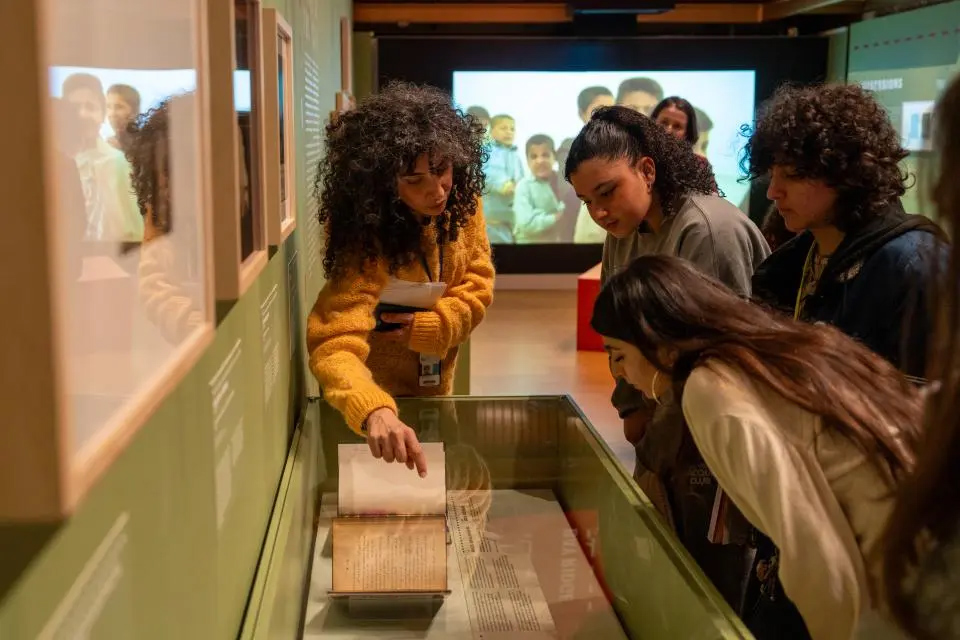
A rich resource capturing the vast cultural history of New York’s MENA community over centuries, the exhibition "Niyū Yūrk: Middle Eastern and North African Lives in the City" ran from October 4, 2025, to March 8, 2026. Curated by Hiba Abid, the Curator for Middle Eastern and Islamic Studies, and organized by the New York Public Library, the exhibition explores the history of Middle Eastern and North African (MENA) immigration to New York City from the late 19th century to the present, tracing through art, music, literature, and the slew of accomplishments made by the community the ways these emigrants planted their roots in their new home.
Psychiatry, the State, and the Collapse of Care in Lebanon
By Naomi Pham
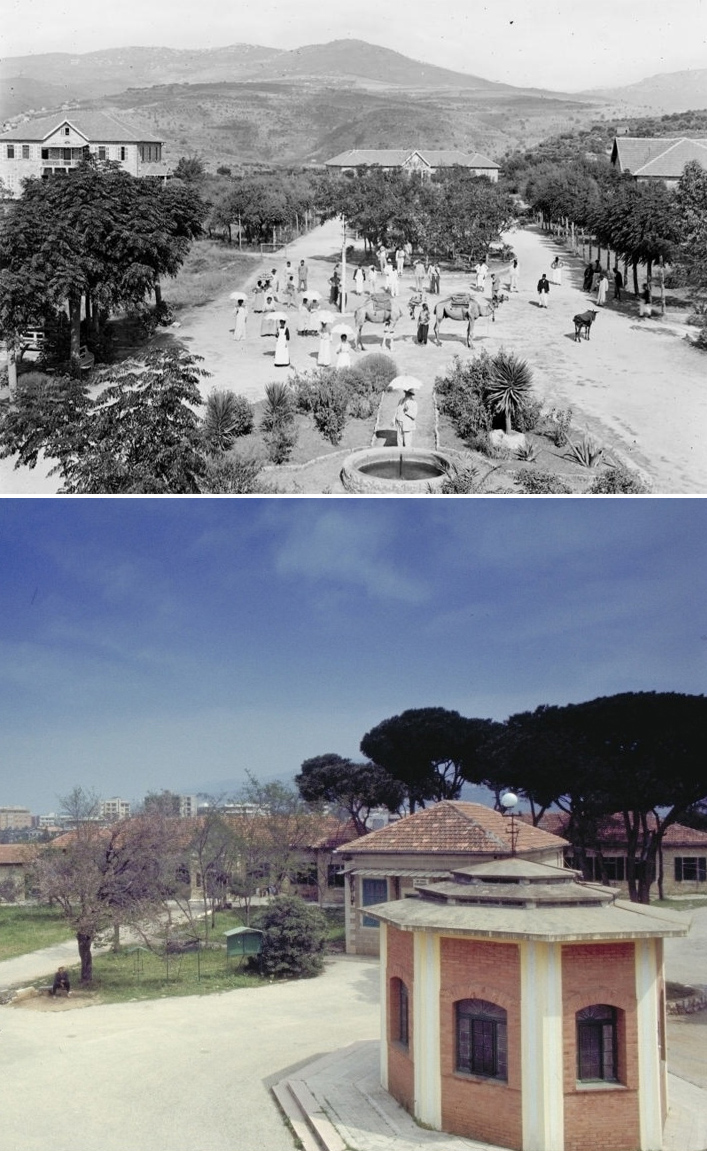
The stigmatization of mental illness remains prevalent in the Arab world, especially surrounding psychiatric institutions like the Asfourieh Hospital, formally known as the Lebanon Hospital for the Insane, which closed its doors in 1982. While part of Asfourieh’s reputation stems from its direct associations with infamous cases like that of May Ziadeh, much of the hospital’s history has been overlooked, from its ties to the development of treatment for the mentally ill, its contributions in furthering psychiatric studies, and its role as one of the leaders in modernizing medicine in the Arab world at the time.
Issam Mahfouz’s Theatre, Criticism, and the Struggle for Meaning
By Naomi Pham
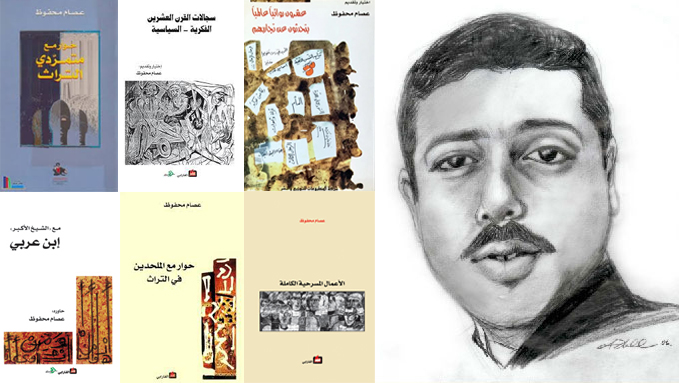
The late Lebanese playwright, poet, and critic Issam Mahfouz was known for his contributions in numerous fields, including modern poetry, journalism, and, perhaps most famously, as one of the pioneering figures of the Lebanese modern theater movement that lasted from the late 1950s up to the outbreak of the Lebanese civil war in 1975. Following his death in 2006, Al Jadid published a feature article by the late Mohammad Dakroub highlighting Mahfouz’s contributions to Arab criticism. Now, 21 years after his death, many continue to recall his legacy. Alhussam Muhy al-Din’s article, “Twenty Years After the Passing of Issam Mahfouz: A Legacy That Extends Beyond the Theater,” published in Al Quds Al Arabi, rekindles appreciation for the works of this celebrated writer.
Cultured Women and the Fragmented Self in Arab Fiction
By Naomi Pham
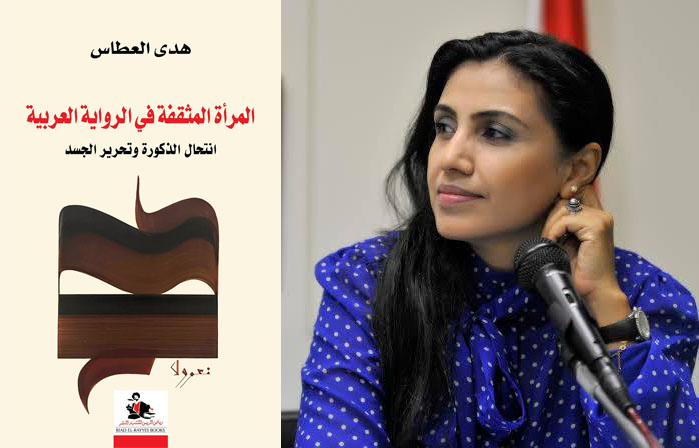
Arab women have paved their own paths in the Arab social and cultural sphere throughout history — especially in the early to mid-20th century — by any means possible, whether as writers, leaders, teachers, or founders of clubs, magazines, and movements. Like in reality, women’s determination to secure their positions in fiction is layered with complex barriers. A valuable addition to the Arab critical library, Yemeni writer and researcher Huda al-Attas’ new book, “The Cultured Woman in the Arab Novel: Appropriating Masculinity and Liberating the Body” (Riad Al Rayyes Books and Publishing, 2026), examines the presence and portrayal of women in Arab fiction, going beyond superficial analyses of women as social and emotional beings to question the ways culture, knowledge, and femininity intersect with her existence. Ali Jazo reviews the book in an article for Al Modon, “The Cultured Woman’ by Huda al-Attas: The Imitation of Masculinity and the Suspended Being.”
Clinging to the Fading Memory of Lebanon’s Jewish Community
By Naomi Pham
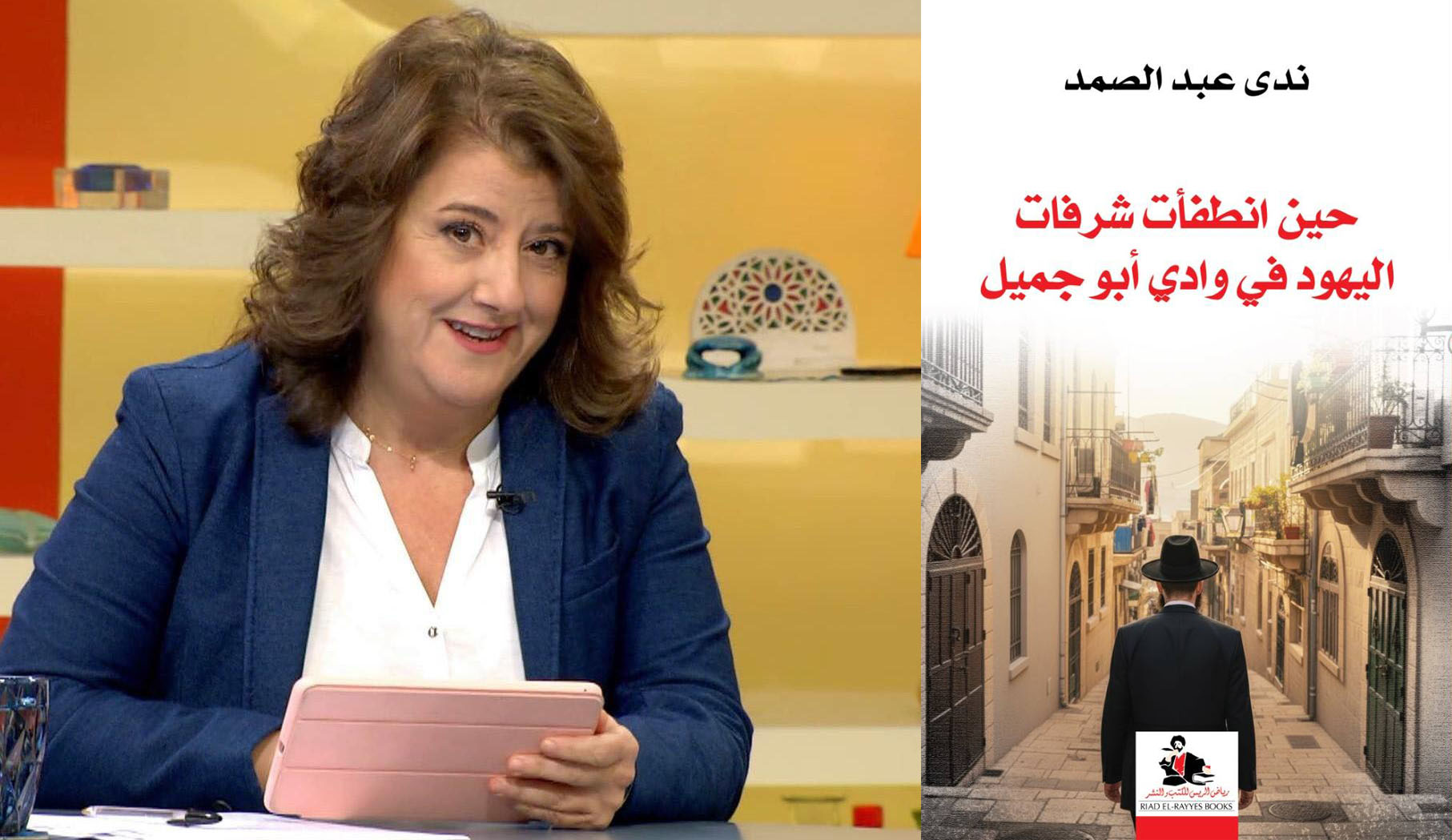
Lebanon’s dwindling Jewish community is not a recent development, yet it has been reported on like a fascinating phenomenon for years. The once-bustling Jewish quarter in Beirut, Wadi Abu Jamil, is a mere memory. The Magen Abraham Synagogue, built in the district in 1925, now stands abandoned as a silent witness to a bygone era. Only a few dozen members of the Jewish community remain in Beirut, and even fewer are known to the public. In 2019, Liza Srour, one of the last residents of the Jewish quarter, passed away. Last year, the community lost one of its last known members, the art critic and journalist Joseph Tarrab, who refused to leave Lebanon and remained until his death on January 1, 2025.
Imprisoned Palestinian Author Basim Khandaqji’s Win Reignites Old Questions About Booker Prize Standards
By
Naomi Pham
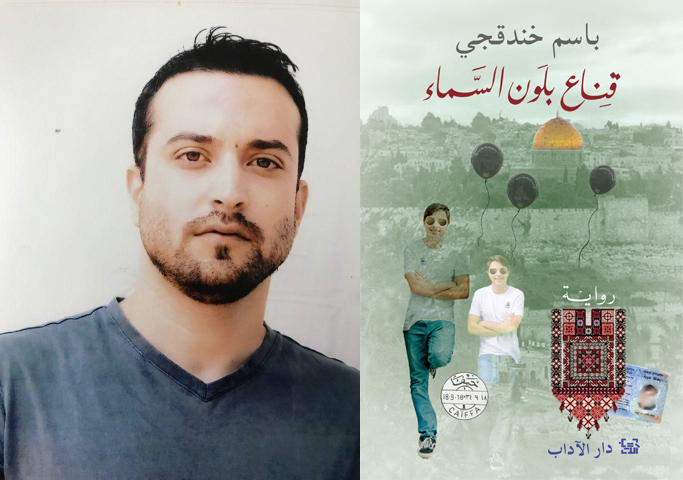
It would be remiss to overlook the significance that this year’s chosen winner for the International Prize for Arabic Fiction (Booker), one of the Arab world’s most prestigious literary awards, was written by an imprisoned Palestinian writer. When the prize committee announced the victory of Basim Khandaqji’s “A Mask, the Color of the Sky” (Dar al-Adab, 2023) in April, six months after Israel’s attacks on Gaza began, media outlets were quick to recognize Khandaqji’s daunting feat of publishing from jail.
Algeria has much to celebrate with the end of the 2024 Olympic Games in Paris, taking the podium in gymnastics, boxing, and athletics. Yet while the country celebrates the victories, its athletes share the spotlight with headlines focusing on the country’s history with France.
A familiar debate has critics and writers up in arms in the Arab world once again: What place does ‘taboo’ have in art? Ethics, morality, and the sensibilities of the contemporary age are yet more factors that play into creative production these days.
When Lebanon is in crisis, and even when it is not, laypeople and some experts rush to use popularized and romanticized explanations suggesting that the country is experiencing something unprecedented. They reminisce and claim Lebanon had a much better time in the “good old days.” If the crises are financial and economic, they proclaim that Lebanon enjoyed economic growth, stability, high employment, and increased incomes in the pre-crisis days.
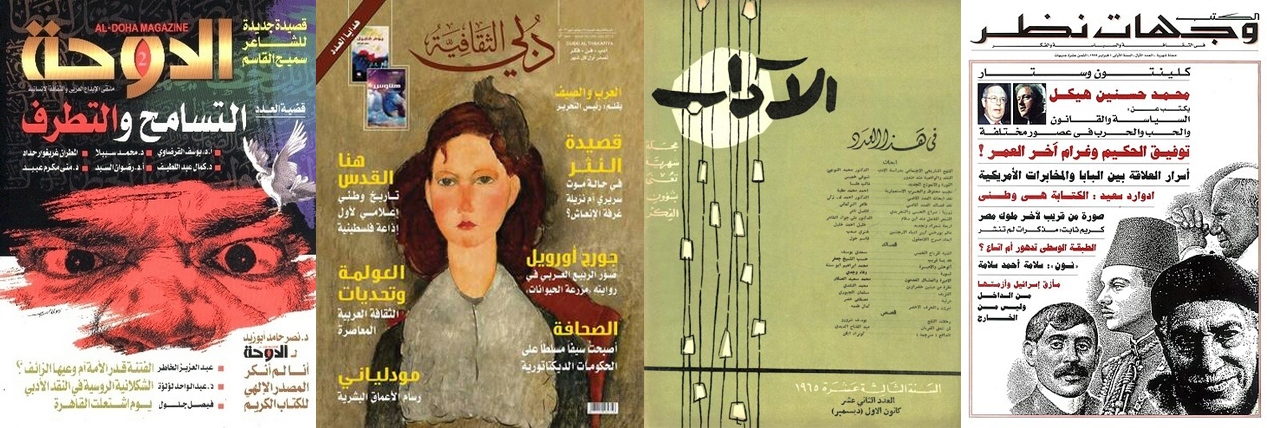
The Information Revolution and the spread of the internet and social media have had severe repercussions for cultural services as we know them. The loss of numerous publications remains one symptom of the many changes sweeping across the Arab world, which recently witnessed the closure of another publication, the Qatari cultural magazine Doha.
Why do we choose to tell painful stories, especially in documentary form, where we ask people to relive their trauma? That is a question I kept asking myself as I watched “Four Daughters.” Sometimes we need to know that pain is part of a story we too glibly read in the news, or perhaps it deepens a reality we think we know already.
After his passing in 2022, poets, intellectuals, and journalists offered their eulogies of the Lebanese poet Hassan Abdallah (1943-2022), who captivated readers with his words. Among those honoring him were Shawqi Bzay, Abbas Beydoun, Jawdat Fakhreddine, Talal Salman, and others. Without exception, Abdallah’s colleagues and friends remember him as a humble man, one who preferred to remain in the shadows and shun the limelight, festivals, and fiery speeches.