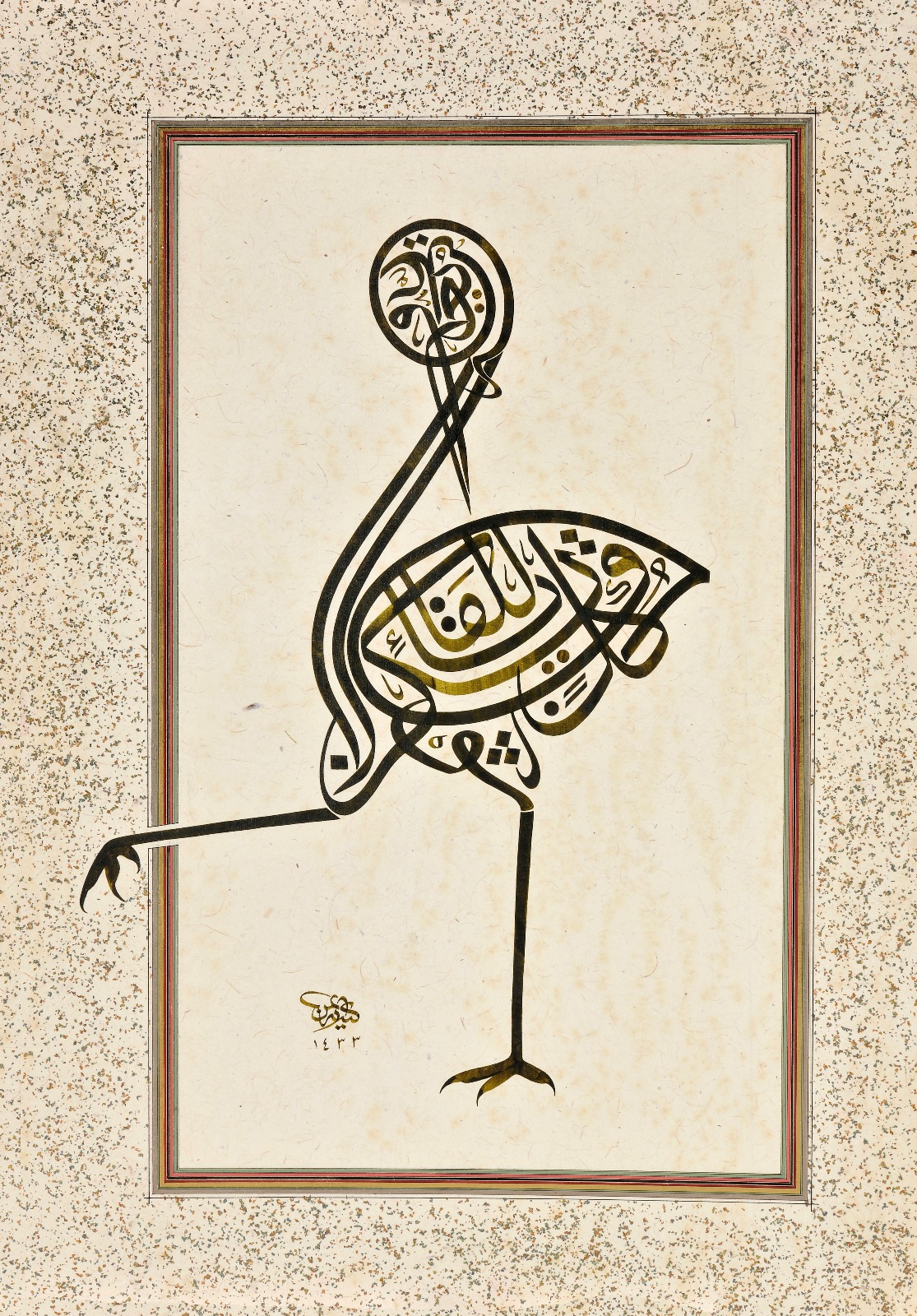
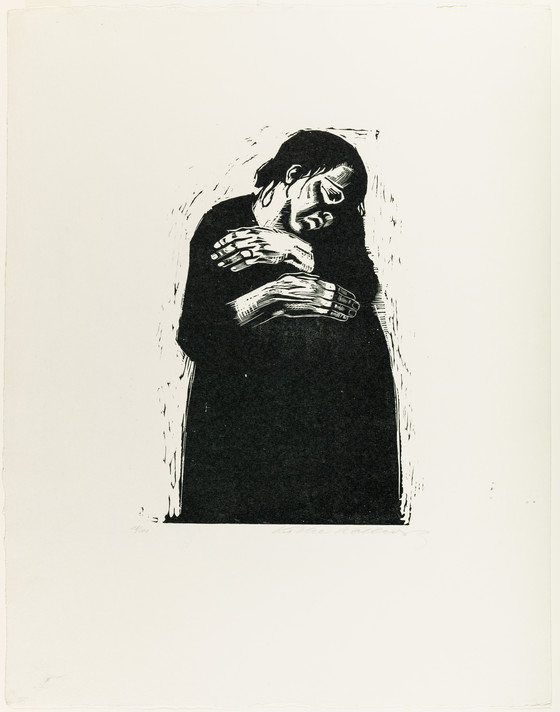
Scholarship on the Mahjar writers saturates much of the existing literature and discussion of Arab American literature, often alongside the contemporary writers of the third wave. By comparison, second-wave literature shares hardly a fraction of the attention between these two periods. From 1948 to 1973, second-wave writers occupied a surprisingly quiet and subdued presence despite the tumultuous developments occurring around them and in the Arab world.
How 'Niyū Yūrk' Archives the Story of Middle Eastern New York
By Naomi Pham
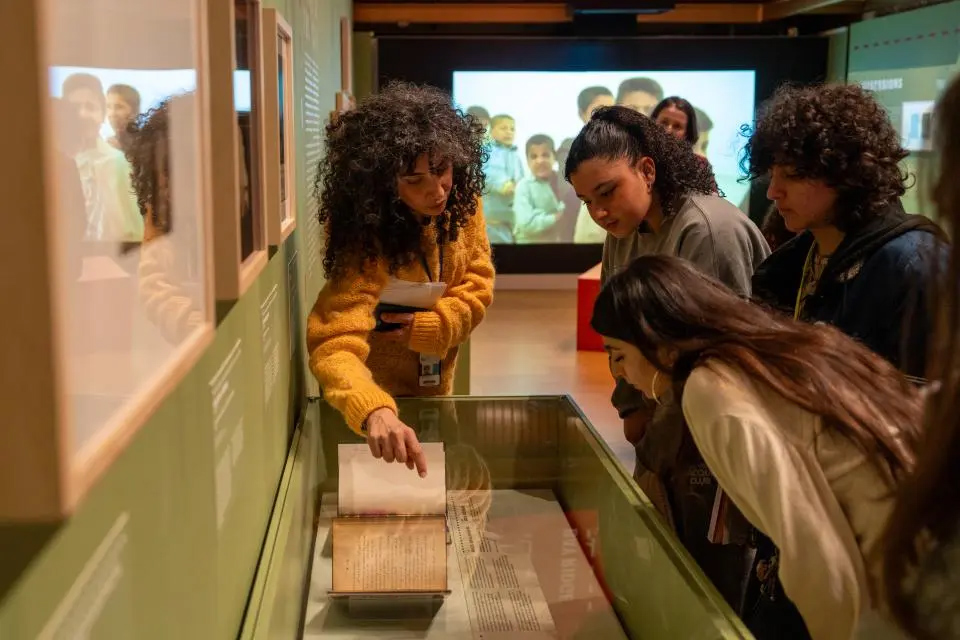
A rich resource capturing the vast cultural history of New York’s MENA community over centuries, the exhibition "Niyū Yūrk: Middle Eastern and North African Lives in the City" ran from October 4, 2025, to March 8, 2026. Curated by Hiba Abid, the Curator for Middle Eastern and Islamic Studies, and organized by the New York Public Library, the exhibition explores the history of Middle Eastern and North African (MENA) immigration to New York City from the late 19th century to the present, tracing through art, music, literature, and the slew of accomplishments made by the community the ways these emigrants planted their roots in their new home.
Psychiatry, the State, and the Collapse of Care in Lebanon
By Naomi Pham
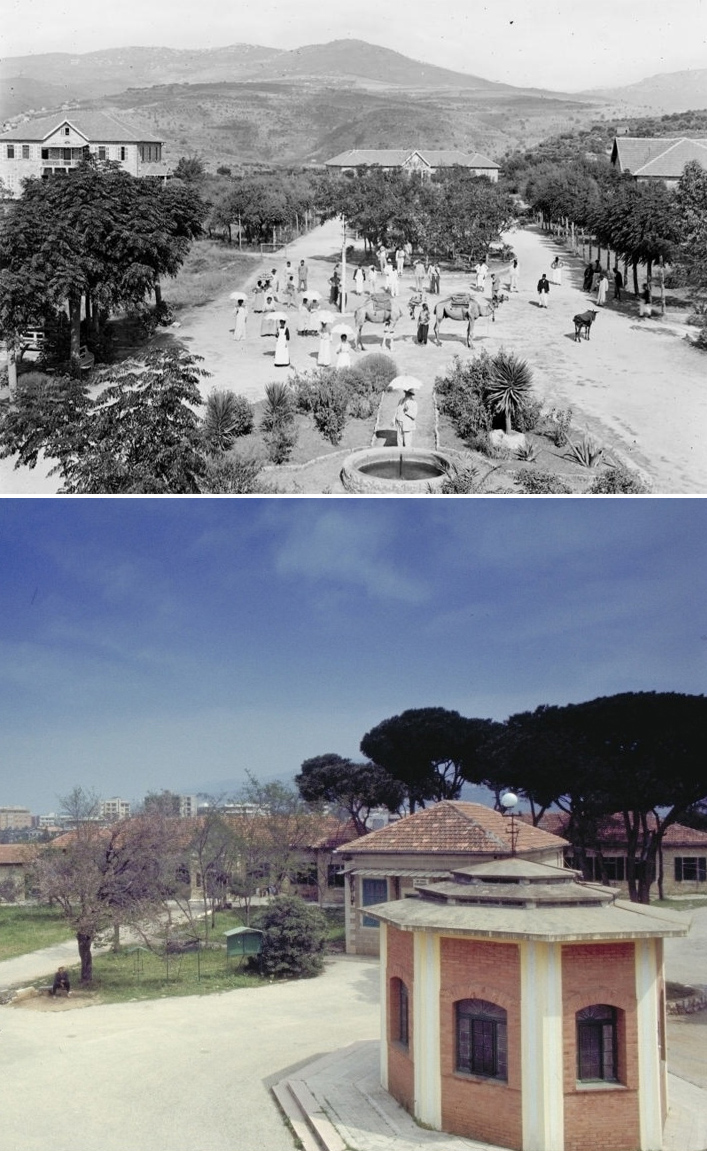
The stigmatization of mental illness remains prevalent in the Arab world, especially surrounding psychiatric institutions like the Asfourieh Hospital, formally known as the Lebanon Hospital for the Insane, which closed its doors in 1982. While part of Asfourieh’s reputation stems from its direct associations with infamous cases like that of May Ziadeh, much of the hospital’s history has been overlooked, from its ties to the development of treatment for the mentally ill, its contributions in furthering psychiatric studies, and its role as one of the leaders in modernizing medicine in the Arab world at the time.
Issam Mahfouz’s Theatre, Criticism, and the Struggle for Meaning
By Naomi Pham
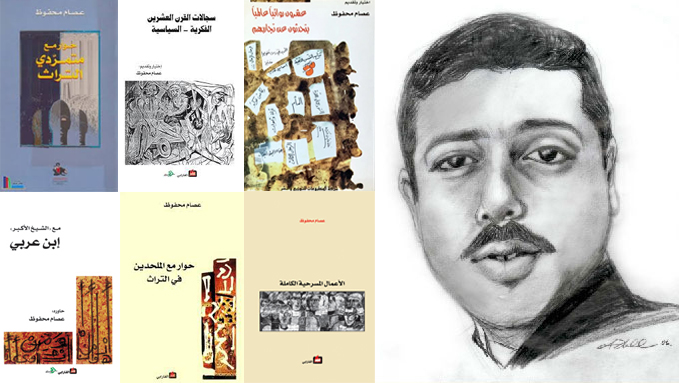
The late Lebanese playwright, poet, and critic Issam Mahfouz was known for his contributions in numerous fields, including modern poetry, journalism, and, perhaps most famously, as one of the pioneering figures of the Lebanese modern theater movement that lasted from the late 1950s up to the outbreak of the Lebanese civil war in 1975. Following his death in 2006, Al Jadid published a feature article by the late Mohammad Dakroub highlighting Mahfouz’s contributions to Arab criticism. Now, 21 years after his death, many continue to recall his legacy. Alhussam Muhy al-Din’s article, “Twenty Years After the Passing of Issam Mahfouz: A Legacy That Extends Beyond the Theater,” published in Al Quds Al Arabi, rekindles appreciation for the works of this celebrated writer.
Cultured Women and the Fragmented Self in Arab Fiction
By Naomi Pham
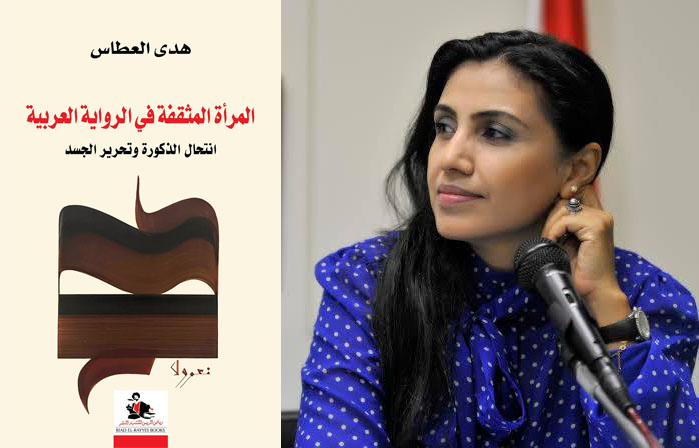
Arab women have paved their own paths in the Arab social and cultural sphere throughout history — especially in the early to mid-20th century — by any means possible, whether as writers, leaders, teachers, or founders of clubs, magazines, and movements. Like in reality, women’s determination to secure their positions in fiction is layered with complex barriers. A valuable addition to the Arab critical library, Yemeni writer and researcher Huda al-Attas’ new book, “The Cultured Woman in the Arab Novel: Appropriating Masculinity and Liberating the Body” (Riad Al Rayyes Books and Publishing, 2026), examines the presence and portrayal of women in Arab fiction, going beyond superficial analyses of women as social and emotional beings to question the ways culture, knowledge, and femininity intersect with her existence. Ali Jazo reviews the book in an article for Al Modon, “The Cultured Woman’ by Huda al-Attas: The Imitation of Masculinity and the Suspended Being.”
Clinging to the Fading Memory of Lebanon’s Jewish Community
By Naomi Pham
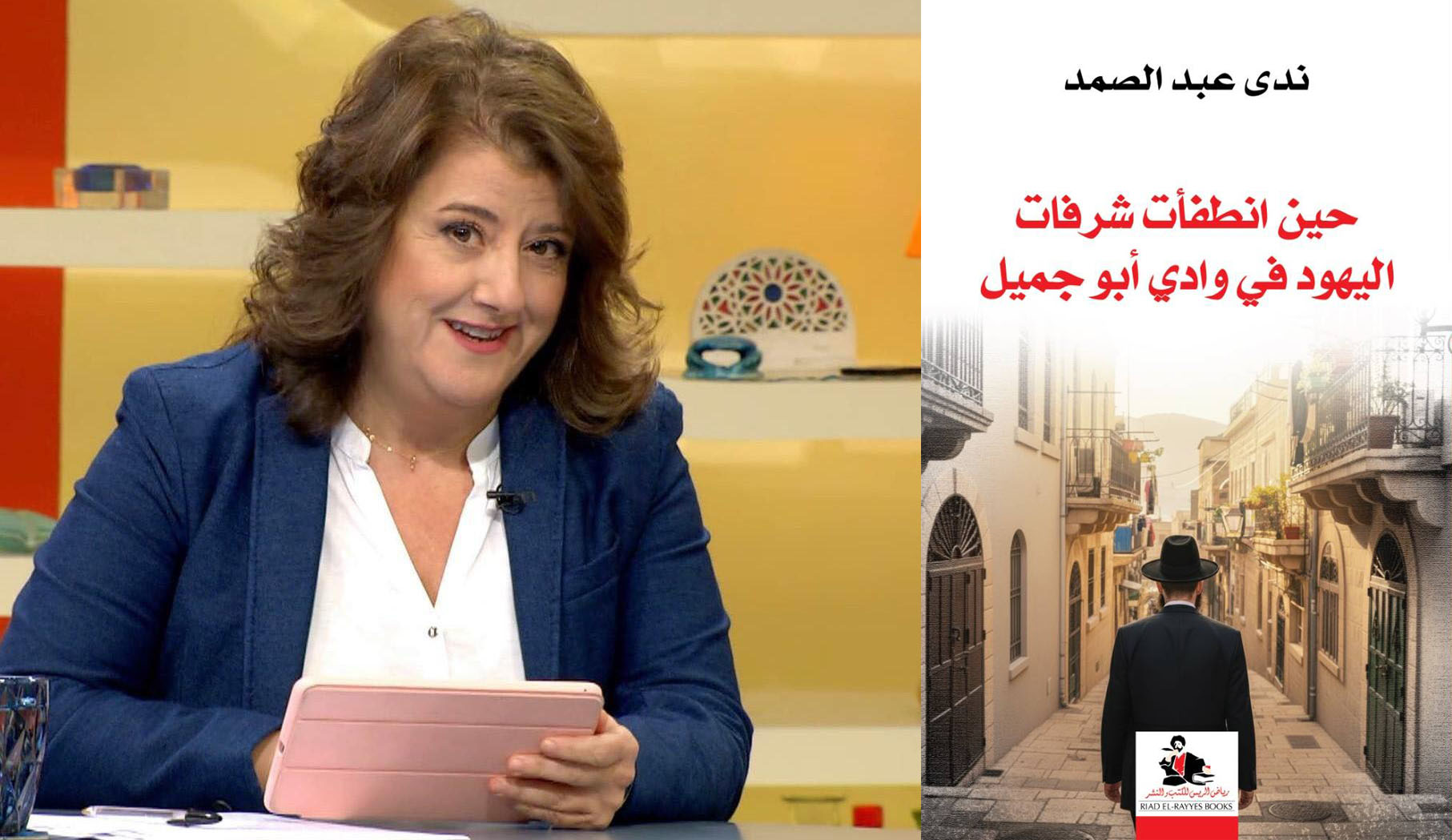
Lebanon’s dwindling Jewish community is not a recent development, yet it has been reported on like a fascinating phenomenon for years. The once-bustling Jewish quarter in Beirut, Wadi Abu Jamil, is a mere memory. The Magen Abraham Synagogue, built in the district in 1925, now stands abandoned as a silent witness to a bygone era. Only a few dozen members of the Jewish community remain in Beirut, and even fewer are known to the public. In 2019, Liza Srour, one of the last residents of the Jewish quarter, passed away. Last year, the community lost one of its last known members, the art critic and journalist Joseph Tarrab, who refused to leave Lebanon and remained until his death on January 1, 2025.
Lebanon has recently elected a president, and the immediate response might be, “So what?” On top of this, the parliament also chose its prime minister-designate. The difference between the level of news from Syria last month and Lebanon this month sounds almost incomparable. At least regarding Syria, the fact that Bashar al-Assad is no longer the country's leader while the incumbent has not yet been elected still maintains an element of surprise for the future.
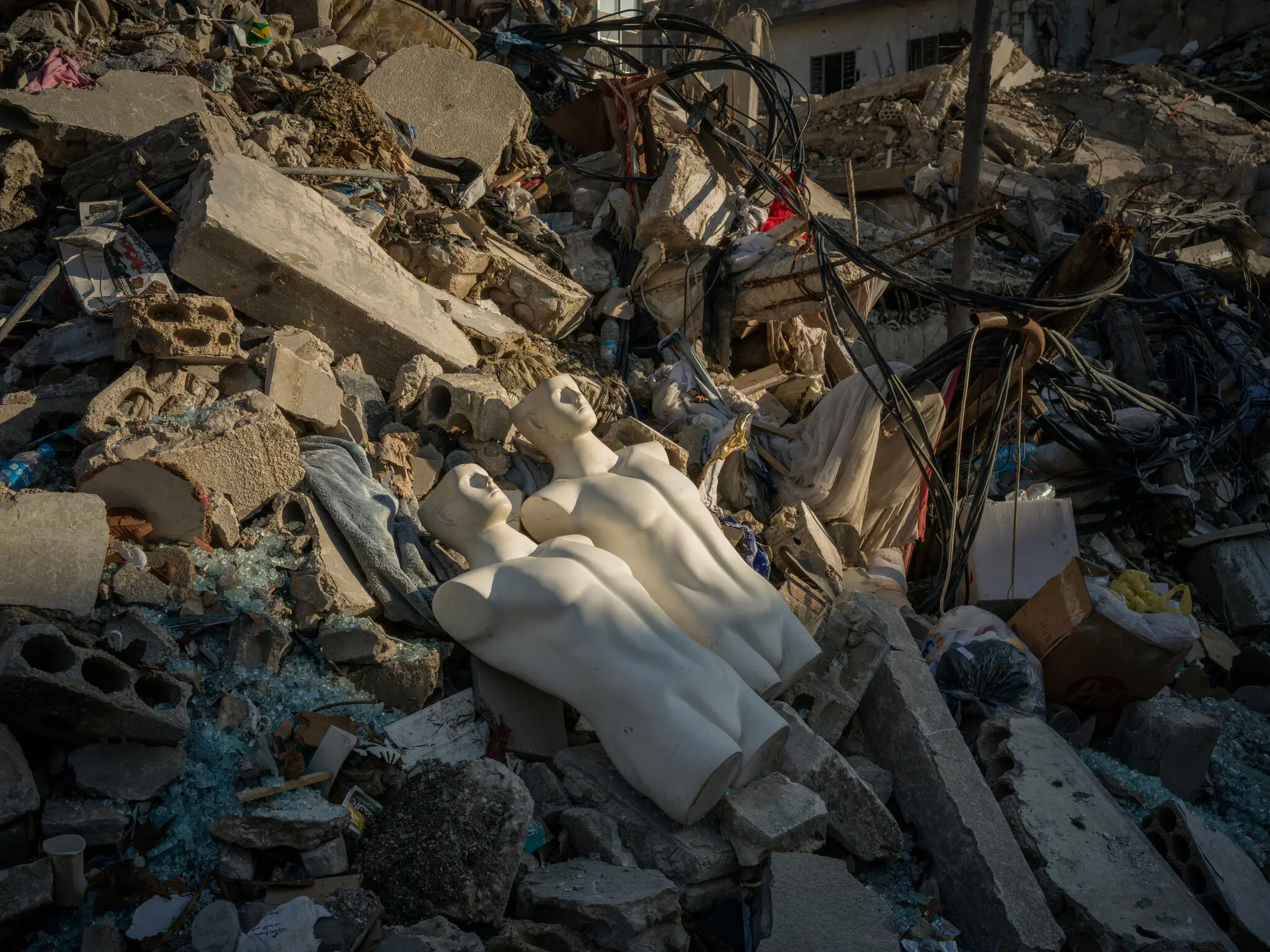
Yara Nahle, a Lebanese writer, begins her blog with the image of the ‘angel of history,’ described by the German philosopher Walter Benjamin (1892-1940) as a figure who “sees only one catastrophe, a pile of rubble before his feet." For Benjamin, history is not a continuous progression toward the future but a pile of ruins accumulated by wars, conflicts, and disasters.
"Ruins" has more meaning for Benjamin than its literal definition, which combines rubb
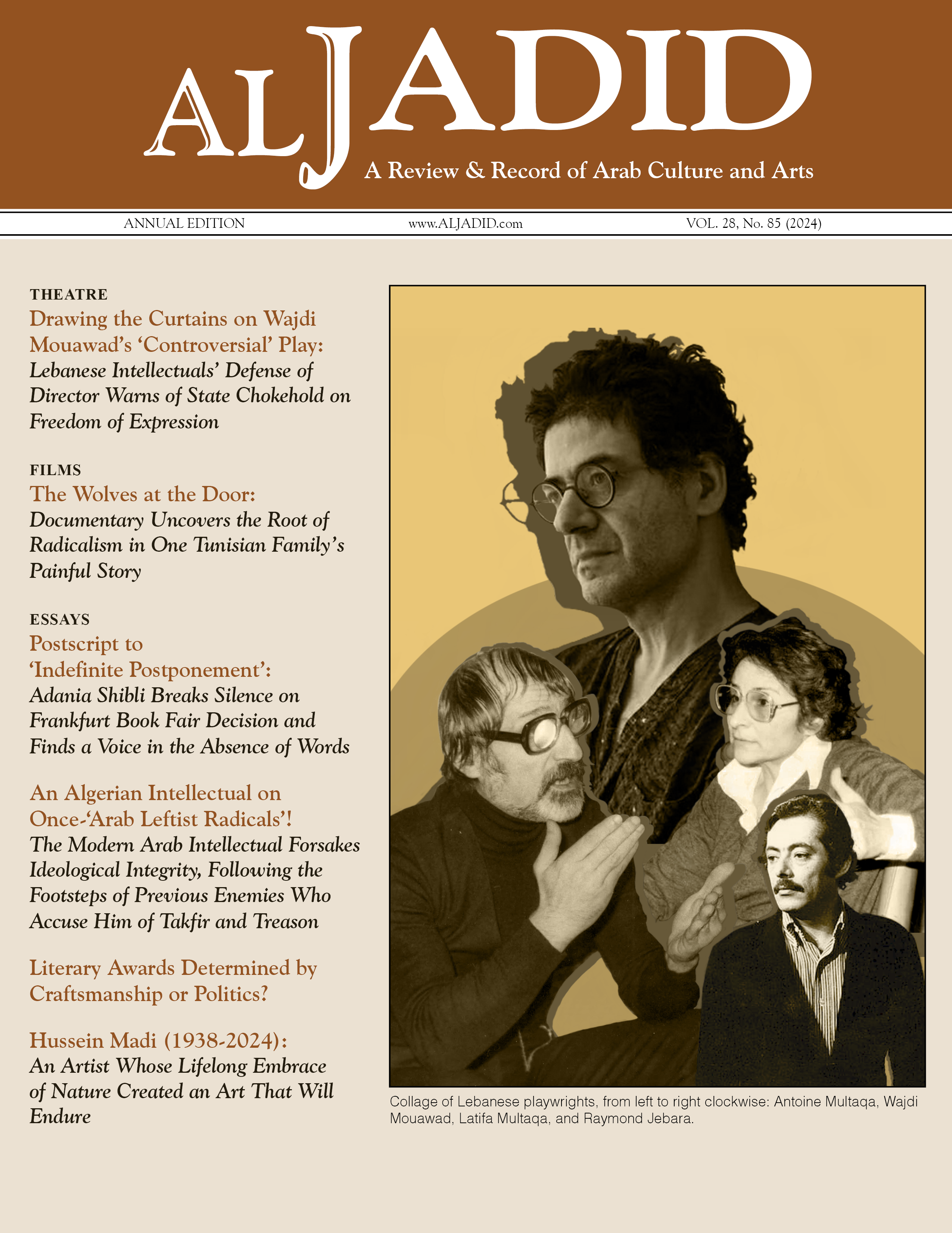
“Voices That Speak Over the Rubble: Intellectuals Reflect on Lebanon’s War From Above, Below, and Within,” a unique feature to be published in Al Jadid’s forthcoming annual edition (Vol. 28, No. 85, 2014), compiles the compelling, powerful, and heart-wrenching accounts of those directly experiencing the ruination caused by Israel’s war against Lebanon. Among the several stories are two articles by the artist and engineer Mohamed Charaf.
For countries sharing as complicated a relationship as France and Algeria, some might expect the recent awarding of France’s most prestigious literary prize, the Prix Goncourt, to an Algerian writer to be cause for celebration. Algerian-born writer Kamel Daoud emerged the winner of this year’s Goncourt with his third novel “Houris” (“Virgin” in English), securing six out of 10 votes from Académie members during the deliberation process.
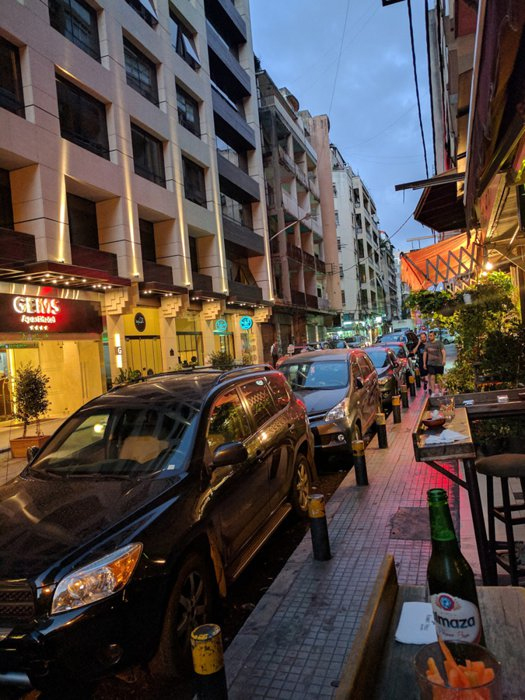
Ongoing talks of the nostalgic past and less depressing times bring to mind Beirut’s own miniature ‘Andalusia,’ its famous Al Hamra Street, which — like the majestic Andalusia of eld — has become an unachievable, distant relic of a flourishing time.
Long History of Pluralism, Decentralization, Pragmatism Underpins ‘Arab Culture’ Debate
By
Elie Chalala
Rarely do we read a cultural or even general-interest publication without encountering discussions questioning whether an Arab culture exists, and if it exists, whether it is in decline. I found no exception when recently perusing Al Jazeera’s online cultural section. We do not need to look far into the article, as its title speaks for itself: “Is There an Arab Culture?” The article is by Dr.
Discussing and analyzing the catastrophic disaster that hit Lebanon is difficult. I am connected to the subject on two levels: intellectually and emotionally. Hamas' "Operation Al-Aqsa Flood" and Hezbollah's "Operation of Solidarity" have been viewed as irresponsible, and their military consequences questionable, with the conflict leaving unprecedented emotional scars on many Lebanese.