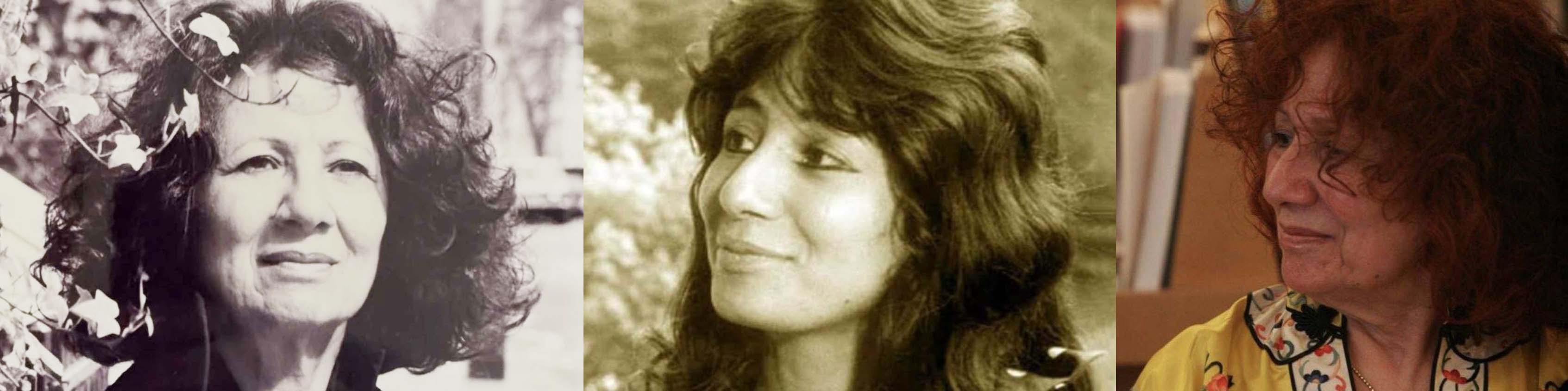
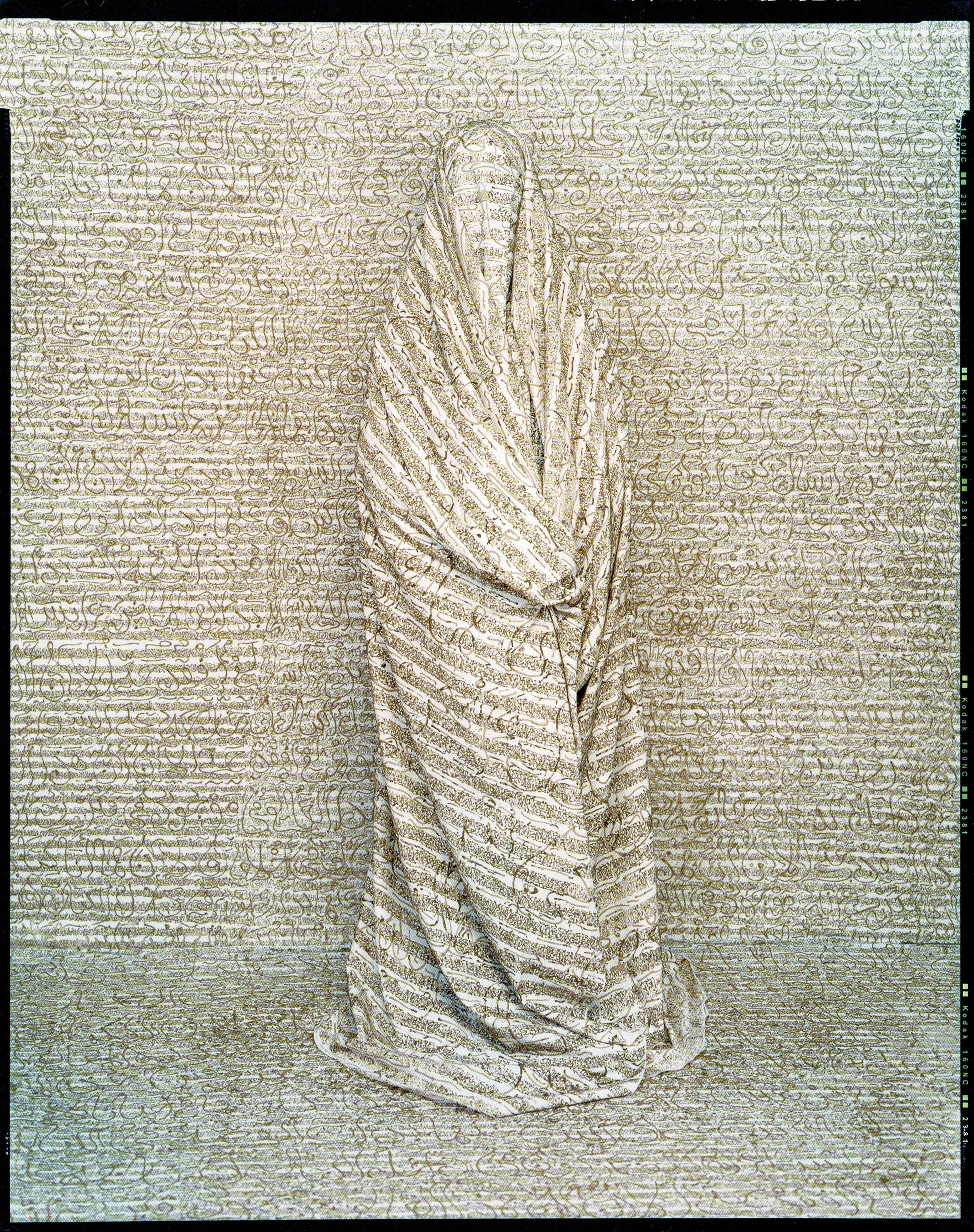
After a long stay in London, Layla returned to Beirut in 2009 to sign her novels, “I Live” and “The Gods Deformed,” and her short story collection “Spaceship of Tenderness to the Moon,” which had been republished by Dar al-Adab, at the Beirut Book Fair. Surrounded by her books, Layla seemed as if she was still preserving her old magic and charm. She was Beirut’s “star” novelist during the 60s, especially after “Spaceship of Tenderness” was banned in 1964 on charges of immorality. She was arrested, tried, and won the case.
How 'Niyū Yūrk' Archives the Story of Middle Eastern New York
By Naomi Pham
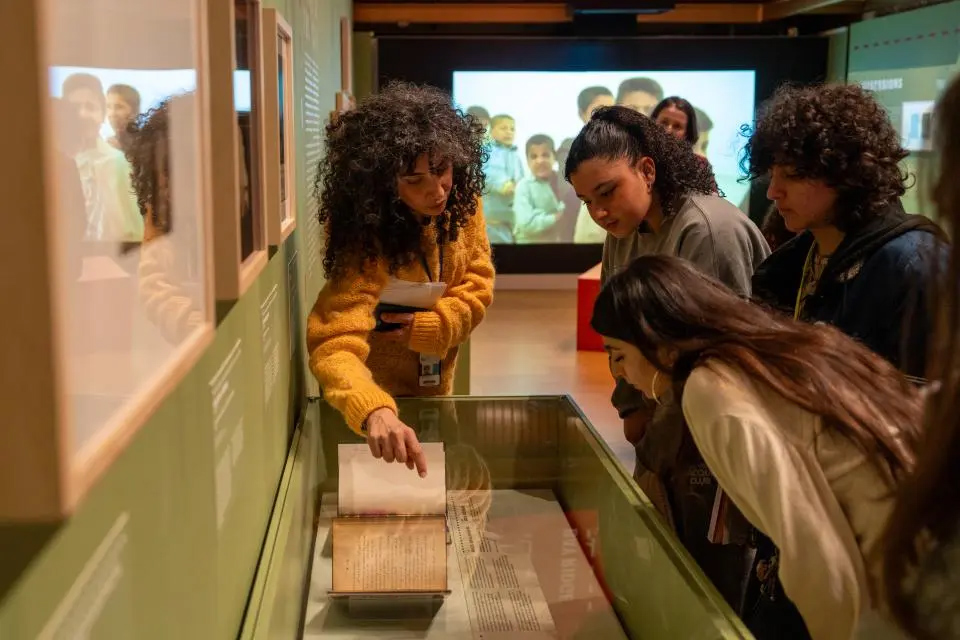
A rich resource capturing the vast cultural history of New York’s MENA community over centuries, the exhibition "Niyū Yūrk: Middle Eastern and North African Lives in the City" ran from October 4, 2025, to March 8, 2026. Curated by Hiba Abid, the Curator for Middle Eastern and Islamic Studies, and organized by the New York Public Library, the exhibition explores the history of Middle Eastern and North African (MENA) immigration to New York City from the late 19th century to the present, tracing through art, music, literature, and the slew of accomplishments made by the community the ways these emigrants planted their roots in their new home.
Psychiatry, the State, and the Collapse of Care in Lebanon
By Naomi Pham
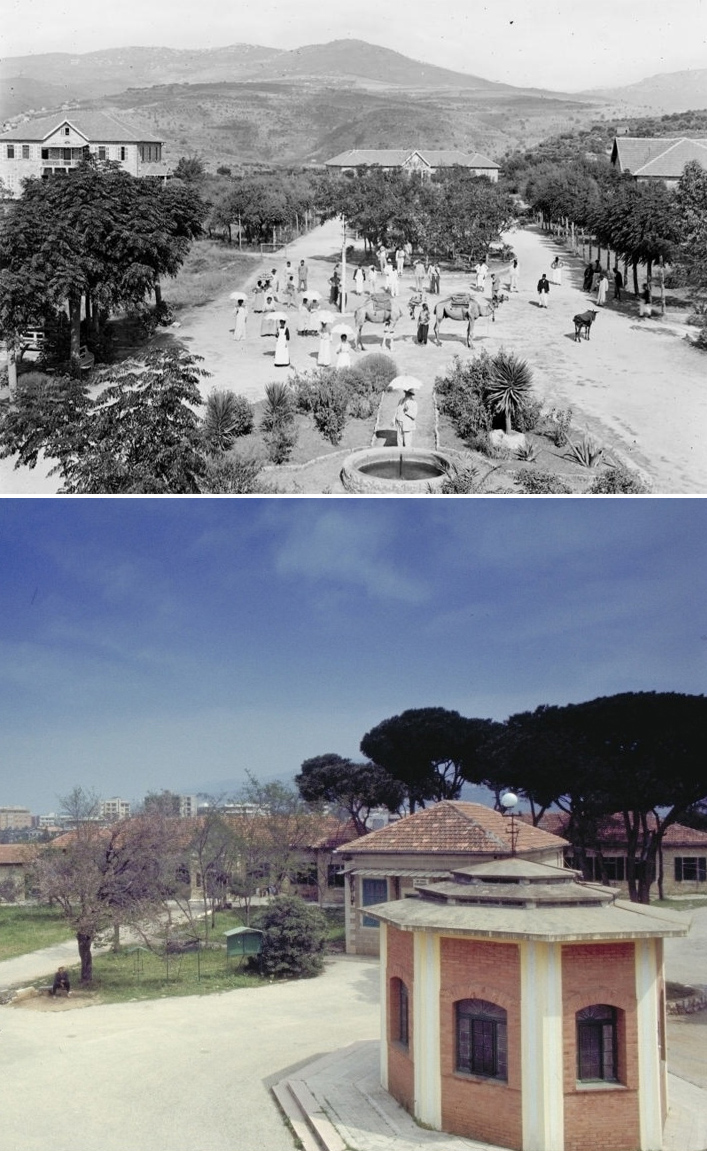
The stigmatization of mental illness remains prevalent in the Arab world, especially surrounding psychiatric institutions like the Asfourieh Hospital, formally known as the Lebanon Hospital for the Insane, which closed its doors in 1982. While part of Asfourieh’s reputation stems from its direct associations with infamous cases like that of May Ziadeh, much of the hospital’s history has been overlooked, from its ties to the development of treatment for the mentally ill, its contributions in furthering psychiatric studies, and its role as one of the leaders in modernizing medicine in the Arab world at the time.
Issam Mahfouz’s Theatre, Criticism, and the Struggle for Meaning
By Naomi Pham
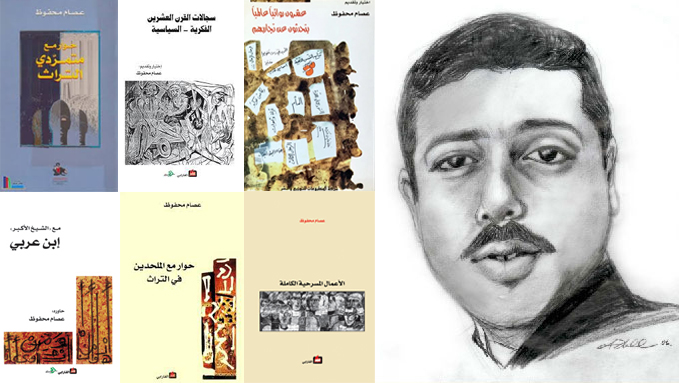
The late Lebanese playwright, poet, and critic Issam Mahfouz was known for his contributions in numerous fields, including modern poetry, journalism, and, perhaps most famously, as one of the pioneering figures of the Lebanese modern theater movement that lasted from the late 1950s up to the outbreak of the Lebanese civil war in 1975. Following his death in 2006, Al Jadid published a feature article by the late Mohammad Dakroub highlighting Mahfouz’s contributions to Arab criticism. Now, 21 years after his death, many continue to recall his legacy. Alhussam Muhy al-Din’s article, “Twenty Years After the Passing of Issam Mahfouz: A Legacy That Extends Beyond the Theater,” published in Al Quds Al Arabi, rekindles appreciation for the works of this celebrated writer.
Cultured Women and the Fragmented Self in Arab Fiction
By Naomi Pham
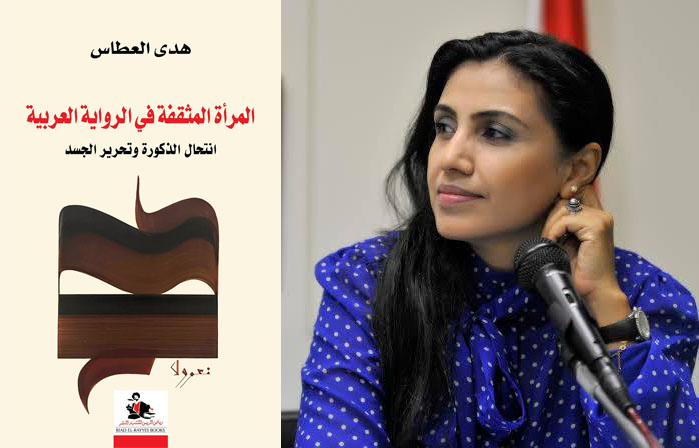
Arab women have paved their own paths in the Arab social and cultural sphere throughout history — especially in the early to mid-20th century — by any means possible, whether as writers, leaders, teachers, or founders of clubs, magazines, and movements. Like in reality, women’s determination to secure their positions in fiction is layered with complex barriers. A valuable addition to the Arab critical library, Yemeni writer and researcher Huda al-Attas’ new book, “The Cultured Woman in the Arab Novel: Appropriating Masculinity and Liberating the Body” (Riad Al Rayyes Books and Publishing, 2026), examines the presence and portrayal of women in Arab fiction, going beyond superficial analyses of women as social and emotional beings to question the ways culture, knowledge, and femininity intersect with her existence. Ali Jazo reviews the book in an article for Al Modon, “The Cultured Woman’ by Huda al-Attas: The Imitation of Masculinity and the Suspended Being.”
Clinging to the Fading Memory of Lebanon’s Jewish Community
By Naomi Pham
Lebanon’s dwindling Jewish community is not a recent development, yet it has been reported on like a fascinating phenomenon for years. The once-bustling Jewish quarter in Beirut, Wadi Abu Jamil, is a mere memory. The Magen Abraham Synagogue, built in the district in 1925, now stands abandoned as a silent witness to a bygone era. Only a few dozen members of the Jewish community remain in Beirut, and even fewer are known to the public. In 2019, Liza Srour, one of the last residents of the Jewish quarter, passed away. Last year, the community lost one of its last known members, the art critic and journalist Joseph Tarrab, who refused to leave Lebanon and remained until his death on January 1, 2025.
A Hemingway Legacy Exposes the Rot Hidden Within Egypt’s Shadows
By
Naomi Pham
One of the Arab world’s most unyielding literary dissidents, Sonallah Ibrahim (1937-2025) devoted his life’s work to social justice and national liberation. Known for his stubborn integrity, Ibrahim refused to “enter the pen,” a phrase he used in reference to submission to the cultural establishment, and equally refused prizes, honors, and official recognition. He paved the way as the pioneer of the Arab documentary novel, his writing both a witness and a staunch refusal to submit to corruption and tyranny.
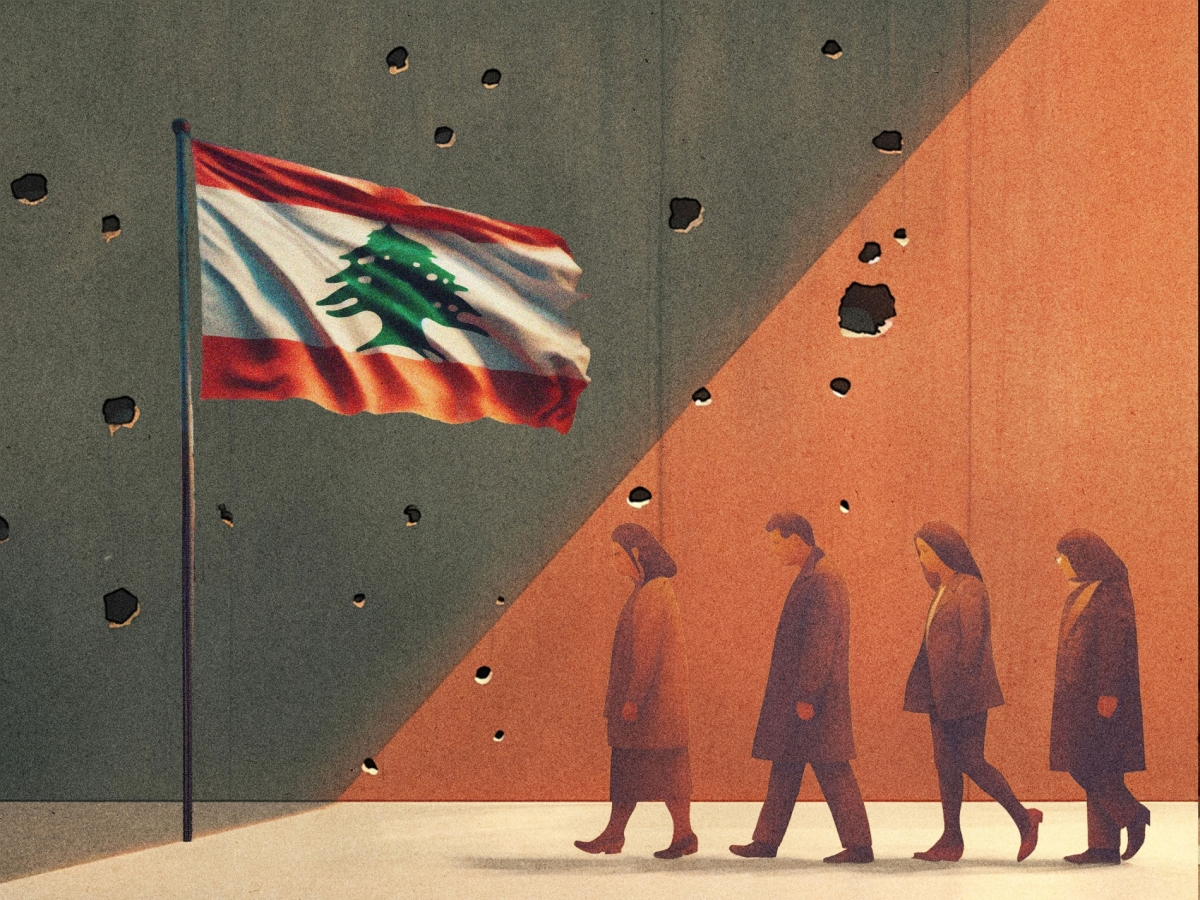
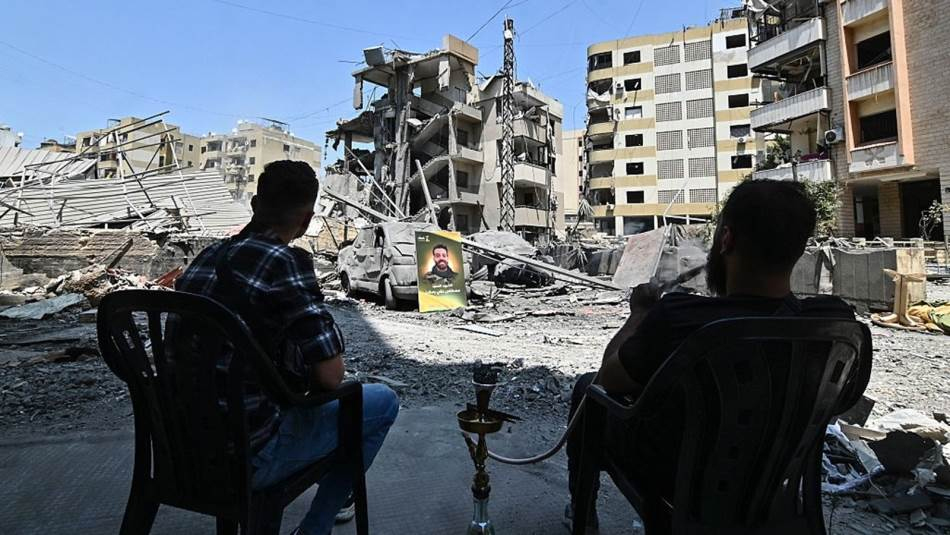
Fear, Violence, and Lebanon’s Collapse of Moral Order
By
Elie Chalala
As an academic and editor who regularly follows news and interviews from the Arab world, I am often struck by a recurring line of reasoning in discussions of the Arab-Israeli conflict: Israel, some argue, does not need a reason to attack, because aggression is inherent to its nature.
This memory came back to me while reading Marwan Harb’s recent article in Al Modon, “Preventive Killing: No One Is Innocent.”* Harb reflects on the erosion of “innocence” a
Lebanon’s Empty Institutions and the Architecture of Collapse
By
Elie Chalala
Many debates on Arab politics revolve around the absence of institutionalization as a root cause of underdevelopment, corruption, and authoritarianism. This absence is often contrasted with the prevalence of personal rule — the dominant form of governance in much of the Arab world. Leading scholars and analysts have long emphasized the urgent need to shift Arab politics away from personalism and toward institutionalism, where laws, not individuals, determine the course of governance.
Why a U.S. Envoy’s Suggestion Touched a Nerve in Lebanon
By
Elie Chalala
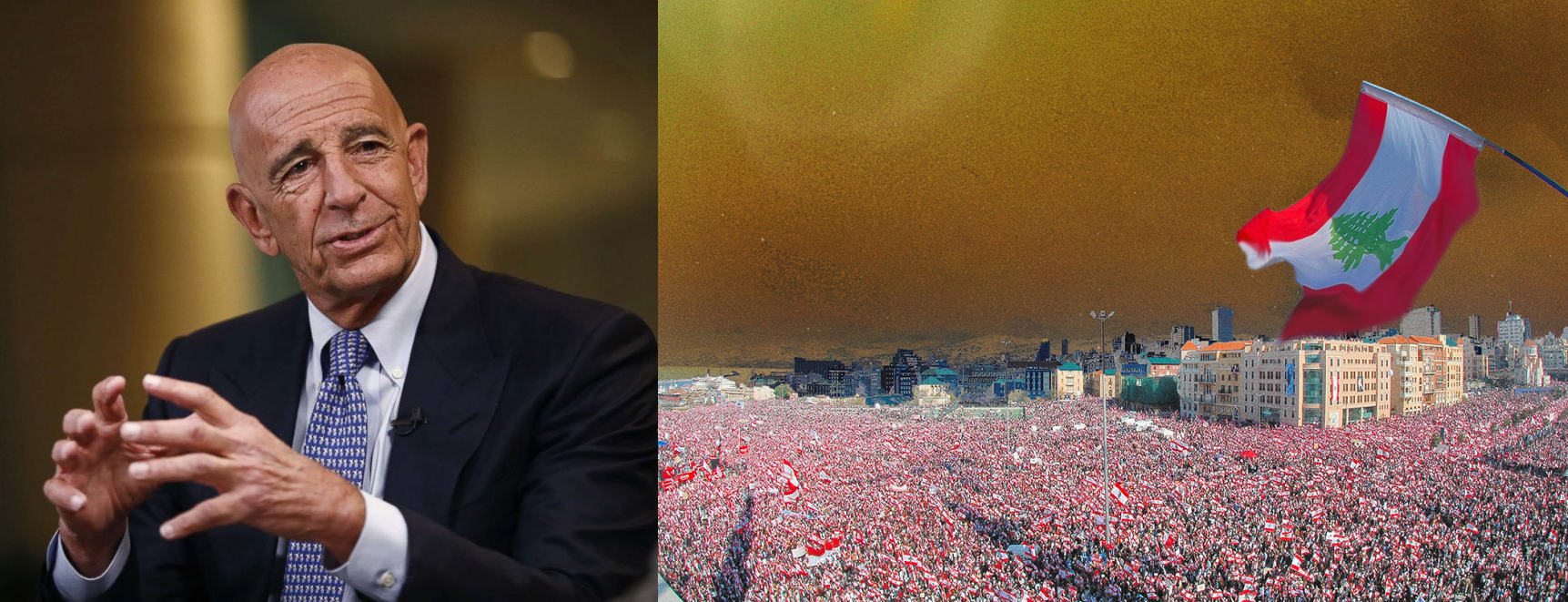
Lebanon, long entangled in regional rivalries involving Israel, Syria, Iran, and other powers, now faces a renewed challenge from the American ambassador to Turkey and special envoy to Syria and Lebanon, Ambassador Thomas Barrack. His recent interviews and social media posts — particularly to Arab newspapers such as The National (UAE) and Arab News (Saudi Arabia) — have sparked controversy across Lebanon.
Lebanese Media Turns National Failures into Myths of Triumph, Confusing Devastation with False Glory
By
Elie Chalala
Marwan Harb’s "We Do Not Live in Tragedy, We Live From It"* presents a multi-layered thesis that combines culture, psychology, and politics. In his essay published in Al Modon, Harb explores how tragedy is transformed into art, humor, and ritual, for "the Lebanese transform tragedy into the essence of their existence: Instead of living in tragedy, they draw life from it."
Syrian Novelist Samar Yazbek Perceives Lebanon’s Identity as Shaped by Openness Rather Than Stability
By
Elie Chalala
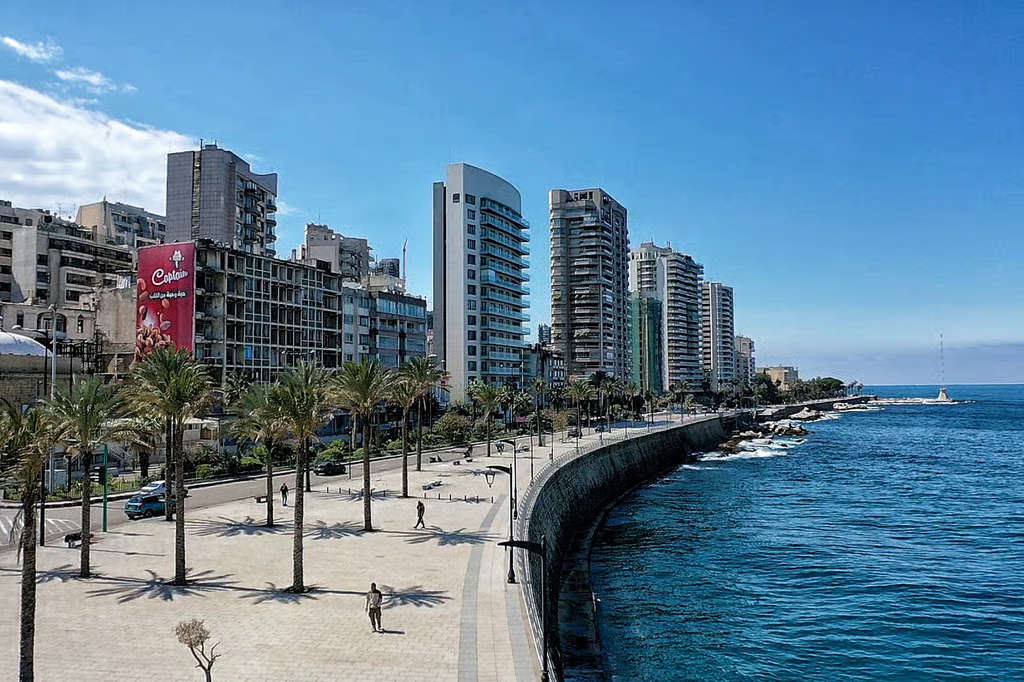
Samar Yazbek’s analysis of Beirut aligns with that of a political and cultural historian, uncovering previously hidden and lesser-known aspects of the city. In her analysis of "Beirut... The Fragility That Guards Memory,"* published in The New Arab, Yazbek assumes the roles of historian, political scientist, and chronicler of the city, uncovering the lesser-known aspects of the Lebanese capital's modern history.
Samar Yazbek on Syria’s Oppressive History of Manufacturing Female Vulnerability
By
Naomi Pham
The questions of freedom and equality remain on the minds of many Syrians as the country navigates not only change, emerging from the Assad regime’s decades-long grasp, but also the recent tragedies of the coastal massacres. Liberating the country from tyranny extends beyond resolving its systemic judicial and political issues, but must also be re-examined from a fundamental human rights perspective.