Upon her passing, critics must reintroduce the late author, whose literary legacy was lost in the haze of time
Despite her reputation as one of the boldest Lebanese women writers at the peak of her career, Layla Baalbaki’s passing without much coverage on October 21, 2023, though delivering a shock throughout the Arab literary world, did not come as a surprise given the journalist and writer’s retreat from the spotlight since the 60s. Baalbaki was the first Lebanese woman tried in court for “outraging public decency” with her short story collection, “Spaceship of Tenderness to the Moon” (1963). The late writer’s life has been shrouded in mystery since she departed from literary fiction, even more so after her death. As many recall the impact of her works, others speculate on her short-lived literary career in equal fervor: why did Layla Baalbaki stop writing? Did she leave behind any notes or a memoir about her life before her passing? Without the woman herself to confirm or deny, any answers remain mere speculation.
How 'Niyū Yūrk' Archives the Story of Middle Eastern New York
By Naomi Pham
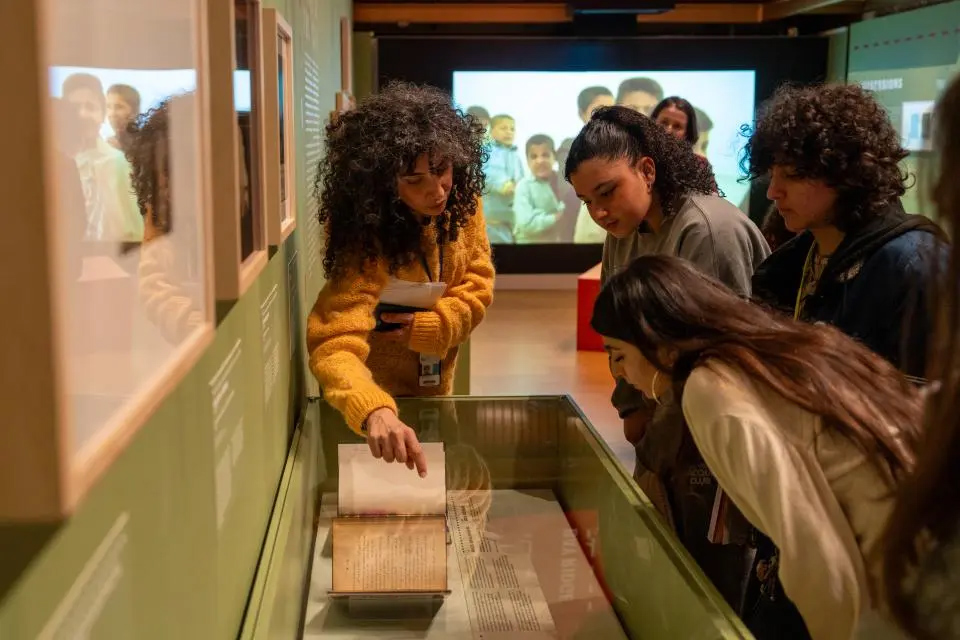
A rich resource capturing the vast cultural history of New York’s MENA community over centuries, the exhibition "Niyū Yūrk: Middle Eastern and North African Lives in the City" ran from October 4, 2025, to March 8, 2026. Curated by Hiba Abid, the Curator for Middle Eastern and Islamic Studies, and organized by the New York Public Library, the exhibition explores the history of Middle Eastern and North African (MENA) immigration to New York City from the late 19th century to the present, tracing through art, music, literature, and the slew of accomplishments made by the community the ways these emigrants planted their roots in their new home.
Psychiatry, the State, and the Collapse of Care in Lebanon
By Naomi Pham
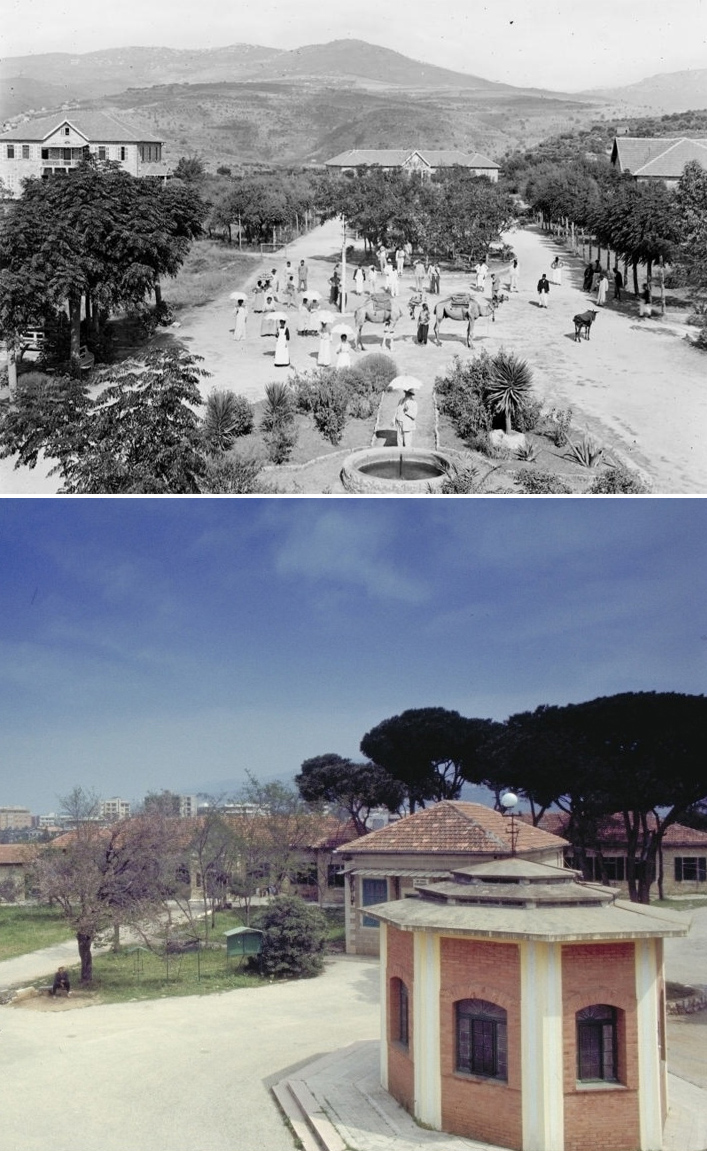
The stigmatization of mental illness remains prevalent in the Arab world, especially surrounding psychiatric institutions like the Asfourieh Hospital, formally known as the Lebanon Hospital for the Insane, which closed its doors in 1982. While part of Asfourieh’s reputation stems from its direct associations with infamous cases like that of May Ziadeh, much of the hospital’s history has been overlooked, from its ties to the development of treatment for the mentally ill, its contributions in furthering psychiatric studies, and its role as one of the leaders in modernizing medicine in the Arab world at the time.
Issam Mahfouz’s Theatre, Criticism, and the Struggle for Meaning
By Naomi Pham
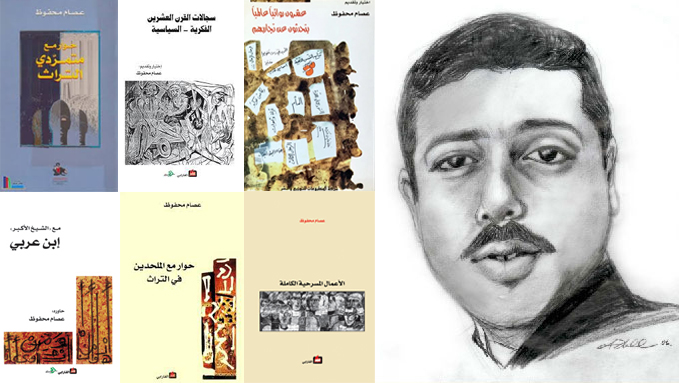
The late Lebanese playwright, poet, and critic Issam Mahfouz was known for his contributions in numerous fields, including modern poetry, journalism, and, perhaps most famously, as one of the pioneering figures of the Lebanese modern theater movement that lasted from the late 1950s up to the outbreak of the Lebanese civil war in 1975. Following his death in 2006, Al Jadid published a feature article by the late Mohammad Dakroub highlighting Mahfouz’s contributions to Arab criticism. Now, 21 years after his death, many continue to recall his legacy. Alhussam Muhy al-Din’s article, “Twenty Years After the Passing of Issam Mahfouz: A Legacy That Extends Beyond the Theater,” published in Al Quds Al Arabi, rekindles appreciation for the works of this celebrated writer.
Cultured Women and the Fragmented Self in Arab Fiction
By Naomi Pham
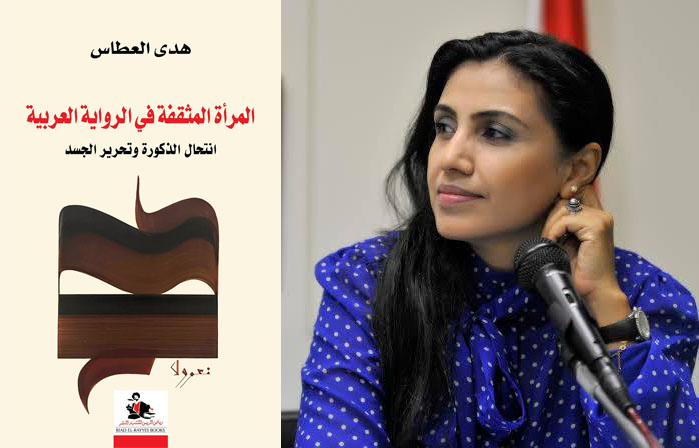
Arab women have paved their own paths in the Arab social and cultural sphere throughout history — especially in the early to mid-20th century — by any means possible, whether as writers, leaders, teachers, or founders of clubs, magazines, and movements. Like in reality, women’s determination to secure their positions in fiction is layered with complex barriers. A valuable addition to the Arab critical library, Yemeni writer and researcher Huda al-Attas’ new book, “The Cultured Woman in the Arab Novel: Appropriating Masculinity and Liberating the Body” (Riad Al Rayyes Books and Publishing, 2026), examines the presence and portrayal of women in Arab fiction, going beyond superficial analyses of women as social and emotional beings to question the ways culture, knowledge, and femininity intersect with her existence. Ali Jazo reviews the book in an article for Al Modon, “The Cultured Woman’ by Huda al-Attas: The Imitation of Masculinity and the Suspended Being.”
Clinging to the Fading Memory of Lebanon’s Jewish Community
By Naomi Pham
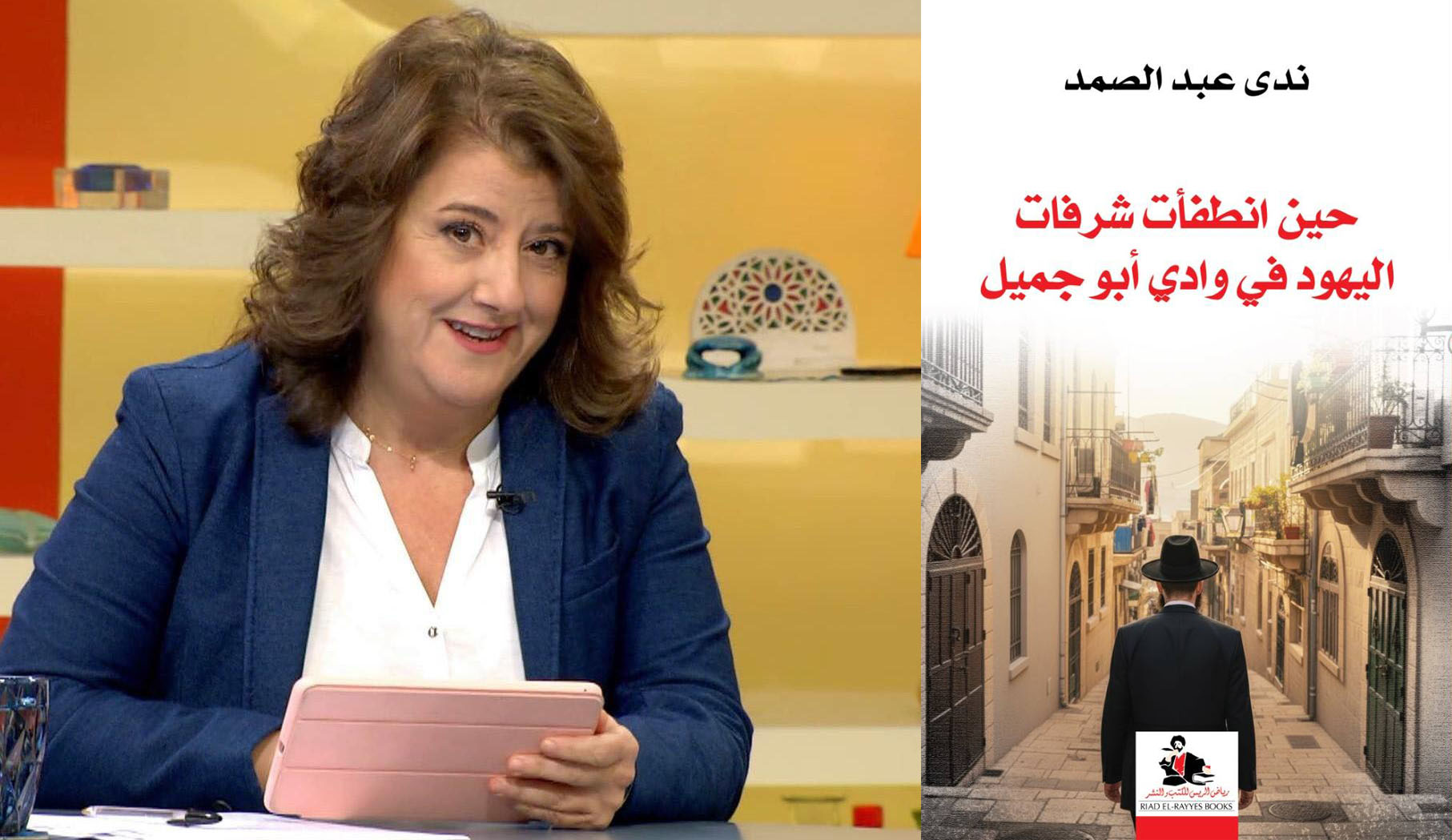
Lebanon’s dwindling Jewish community is not a recent development, yet it has been reported on like a fascinating phenomenon for years. The once-bustling Jewish quarter in Beirut, Wadi Abu Jamil, is a mere memory. The Magen Abraham Synagogue, built in the district in 1925, now stands abandoned as a silent witness to a bygone era. Only a few dozen members of the Jewish community remain in Beirut, and even fewer are known to the public. In 2019, Liza Srour, one of the last residents of the Jewish quarter, passed away. Last year, the community lost one of its last known members, the art critic and journalist Joseph Tarrab, who refused to leave Lebanon and remained until his death on January 1, 2025.
Inside a Landmark Exhibition Tracing Beirut’s Evolution and Its Unresolved Trauma
By
Naomi Pham
In the five years since a devastating explosion rocked Beirut Port, the Lebanese people and victims of the tragedy have yet to secure long-awaited answers.
I have been closely examining the pressing controversy surrounding the al-Sharaa HTS government's decisions to politicize Syrian history, alter the national holiday calendar, and manipulate the collective memory of the Syrian people. The government has motioned to remove holidays commemorating the October War of 1973, March 8 Revolution Day, Teachers’ Day, and Martyrs’ Day based on the HTS's aim to distance the newly formed state from Hafez al-Assad's legacy.
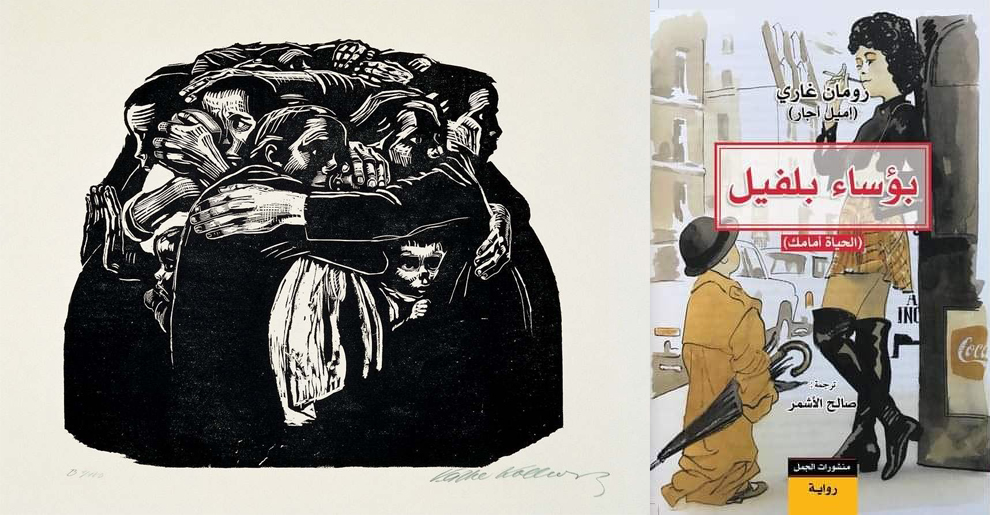
When an unknown author claimed the Prix Goncourt in 1975 with his novel “The Life Before Us” (La Vie Devant Soi in French), news media scrambled to unravel the mystery behind the bestselling book and its writer.
The Afterlife of Little Syria in American Urban Memory
By
Naomi Pham
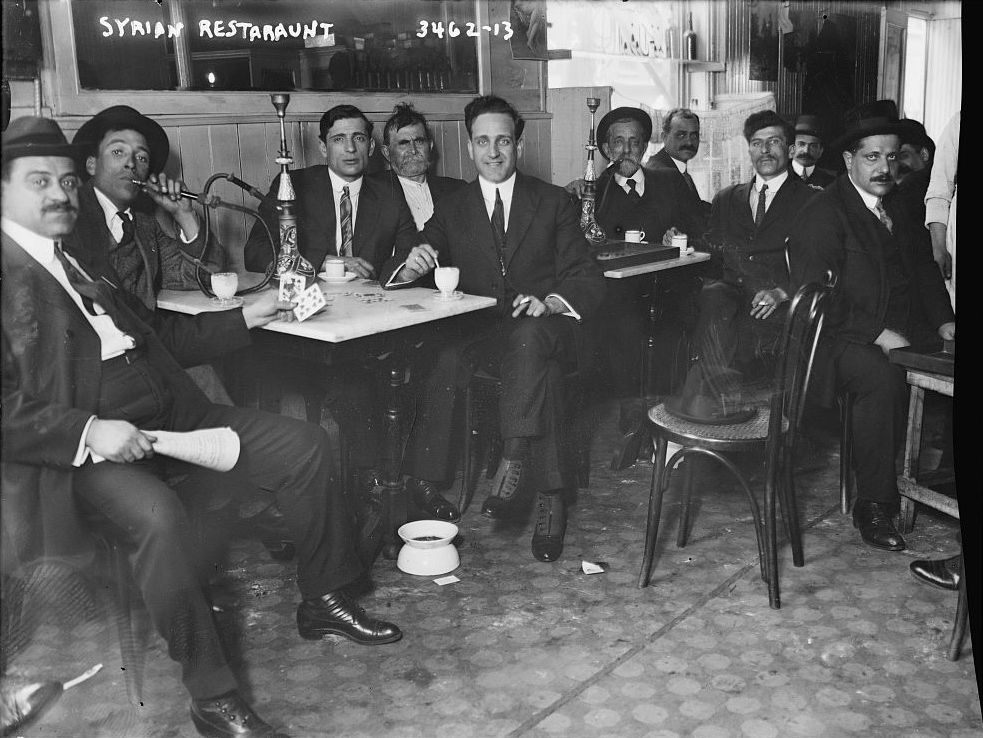
Pockets, though sparse, of Manhattan’s Little Syria have withstood the test of time, though just barely. The community was once considered the “mother colony” to the thousands of Arab immigrants coming from the then-Ottoman-controlled Greater Syria (which today encompasses Syria, Lebanon, Palestine, Israel, and Jordan) during the Great Migration from 1880 to 1924.
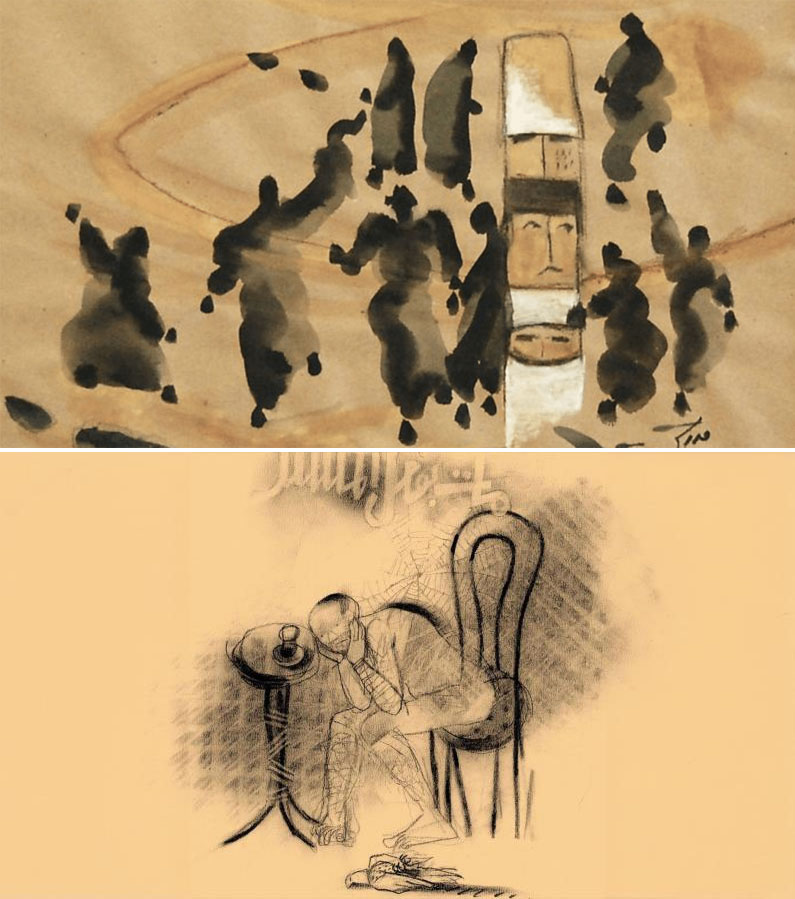
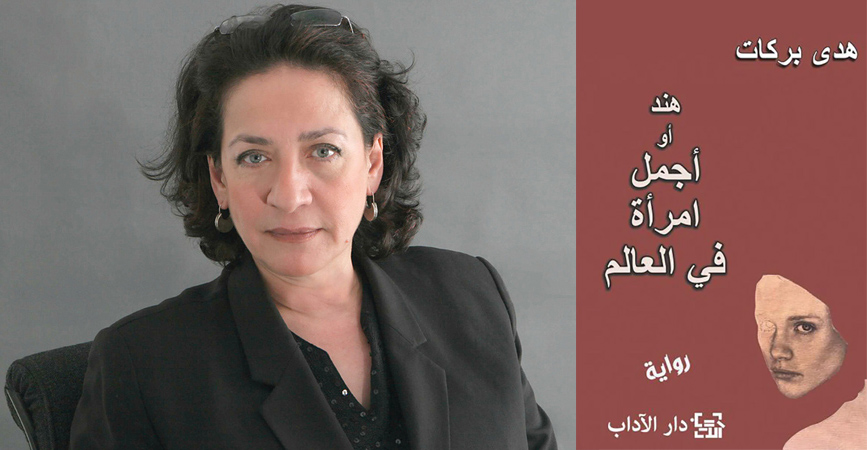
Between living in the memory of beauty, deliberately blind to its flaws, and living in beauty’s shadow, perpetually weighed down by the past, Hanadi’s story is a portrait of more than a woman disregarded by both family and society, but an encapsulation of all the problems plaguing Lebanon, in fiction and reality.
Syrians have nursed a wound that has never been given the chance to heal, just barely scabbing over before it is reopened once more — so much so that the Syrian experience has become synonymous with pain and suffering. In the aftermath of the coastal massacres in March, Samar Yazbek found herself feeling empty, searching for answers only to be met with silence.
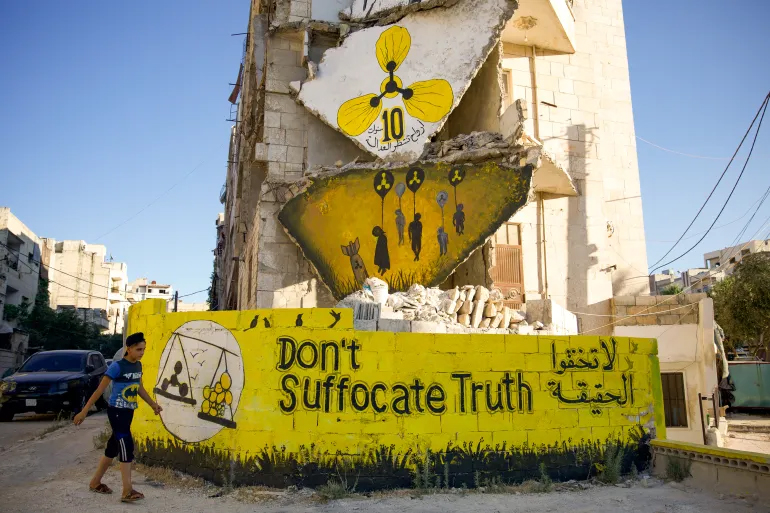
Twelve years have passed since the horrifying attack on the people of Damascus’ Ghouta district, but the nightmares of that day are just as vivid today as they were over a decade ago to the survivors. Shortly after midnight on August 21, 2013, Bashar al-Assad’s regime launched a sarin gas attack on the towns of Zamalka, Ein Tarma, and Irbin.