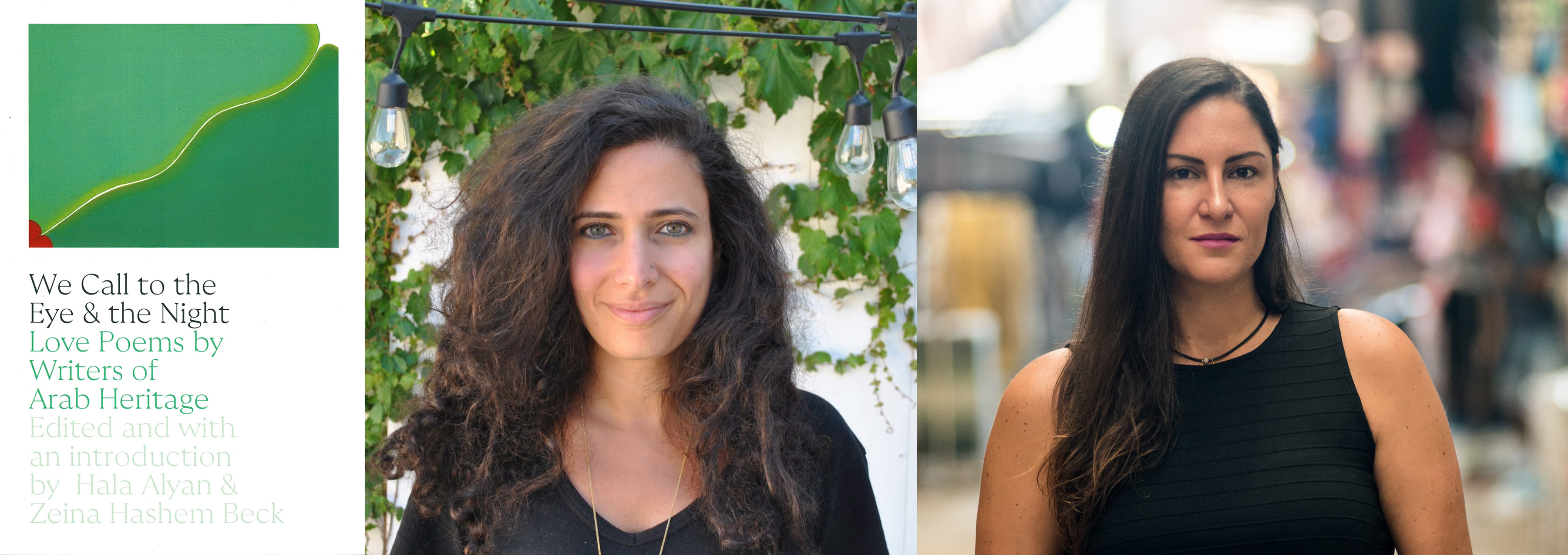
We Call to the Eye & the Night: Love Poems by Writers of Arab Heritage
Edited by Hala Alyan and Zeina Hashem Beck
Persea Books, 2023
Reading the two hundred poems in “We Call to the Eye & the Night” — an anthology that contains the work of 85 contemporary Anglophone poets of Arab heritage — gives the reader the sensation of gazing into a brilliant night sky, one that is both familiar and strange. Venus, whose association with the goddess of love animates this book, shines more brightly than usual, as sharply visible as the crescent moon. Some of the stars are familiar — such as Fady Joudah, Naomi Shihab Nye, Philip Metres, Mohja Kahf, Hayan Charara, Nathalie Handal, Glenn Shaheen, Hedy Habra, Lisa Suhair Majaj — while others have risen to join them in new constellations. Forty of the poets represented here were born in 1990 or afterward, including George Abraham (recently named editor of Mizna Journal), Leila Chatti (who teaches at Smith College), Mohammed El-Kurd (Palestine correspondent for The Nation), Noor Naga (who teaches at the American University in Cairo), Fargo Nissim Tbakhi (who teaches at Towson University), Jess Rizkallah (an author and illustrator), and Nadim Choufi (also a videographer and sculptor, as well as co-Programs Director at Beirut Art Center).
How 'Niyū Yūrk' Archives the Story of Middle Eastern New York
By Naomi Pham
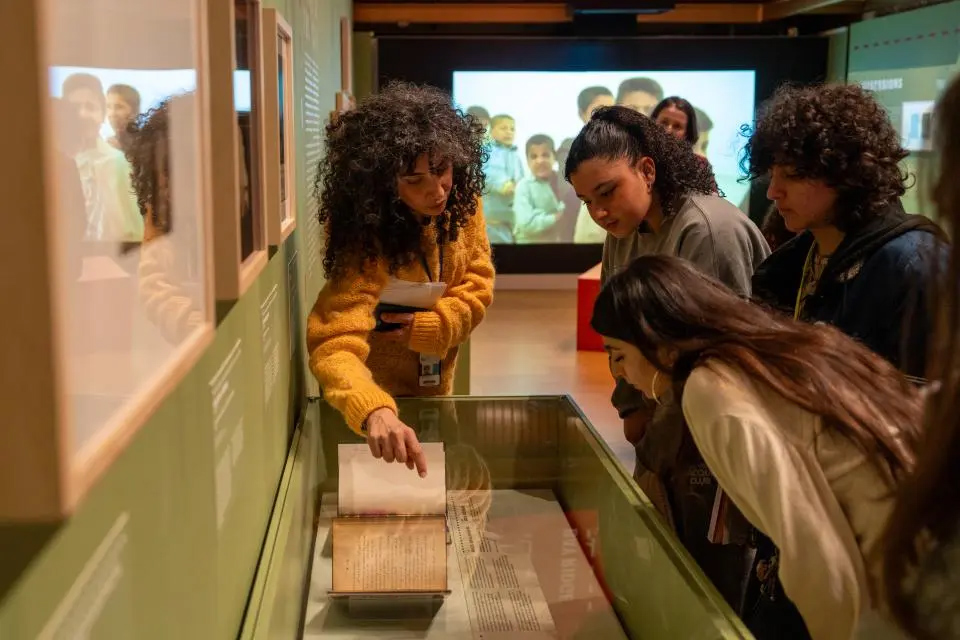
A rich resource capturing the vast cultural history of New York’s MENA community over centuries, the exhibition "Niyū Yūrk: Middle Eastern and North African Lives in the City" ran from October 4, 2025, to March 8, 2026. Curated by Hiba Abid, the Curator for Middle Eastern and Islamic Studies, and organized by the New York Public Library, the exhibition explores the history of Middle Eastern and North African (MENA) immigration to New York City from the late 19th century to the present, tracing through art, music, literature, and the slew of accomplishments made by the community the ways these emigrants planted their roots in their new home.
Psychiatry, the State, and the Collapse of Care in Lebanon
By Naomi Pham
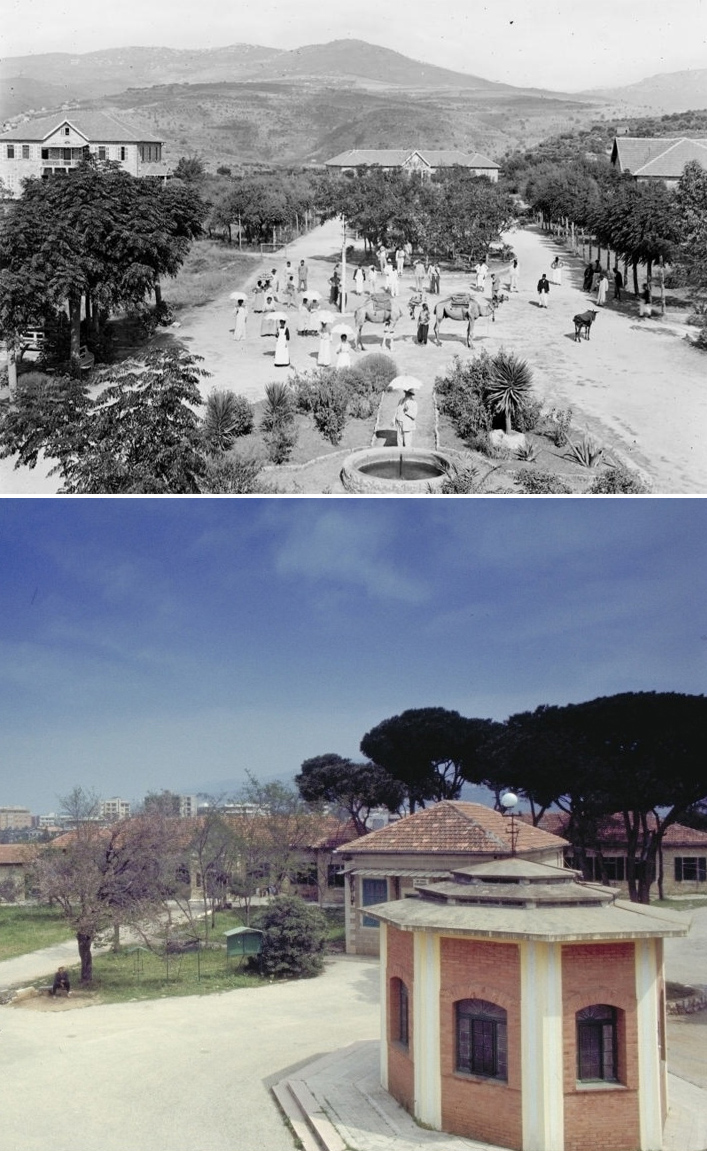
The stigmatization of mental illness remains prevalent in the Arab world, especially surrounding psychiatric institutions like the Asfourieh Hospital, formally known as the Lebanon Hospital for the Insane, which closed its doors in 1982. While part of Asfourieh’s reputation stems from its direct associations with infamous cases like that of May Ziadeh, much of the hospital’s history has been overlooked, from its ties to the development of treatment for the mentally ill, its contributions in furthering psychiatric studies, and its role as one of the leaders in modernizing medicine in the Arab world at the time.
Issam Mahfouz’s Theatre, Criticism, and the Struggle for Meaning
By Naomi Pham
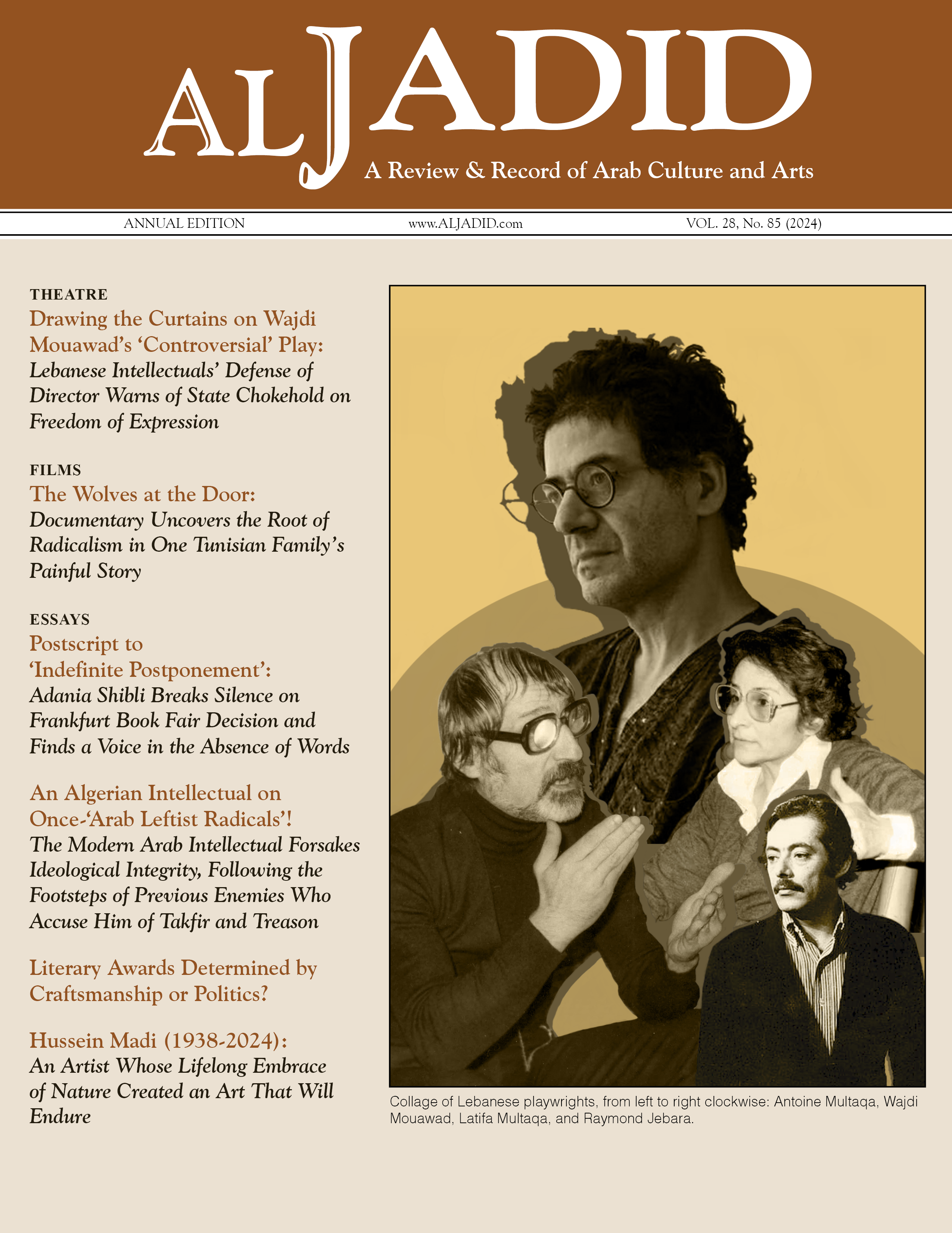
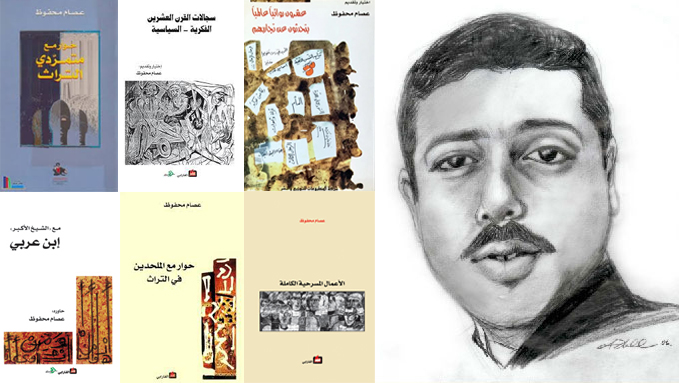
The late Lebanese playwright, poet, and critic Issam Mahfouz was known for his contributions in numerous fields, including modern poetry, journalism, and, perhaps most famously, as one of the pioneering figures of the Lebanese modern theater movement that lasted from the late 1950s up to the outbreak of the Lebanese civil war in 1975. Following his death in 2006, Al Jadid published a feature article by the late Mohammad Dakroub highlighting Mahfouz’s contributions to Arab criticism. Now, 21 years after his death, many continue to recall his legacy. Alhussam Muhy al-Din’s article, “Twenty Years After the Passing of Issam Mahfouz: A Legacy That Extends Beyond the Theater,” published in Al Quds Al Arabi, rekindles appreciation for the works of this celebrated writer.
Cultured Women and the Fragmented Self in Arab Fiction
By Naomi Pham
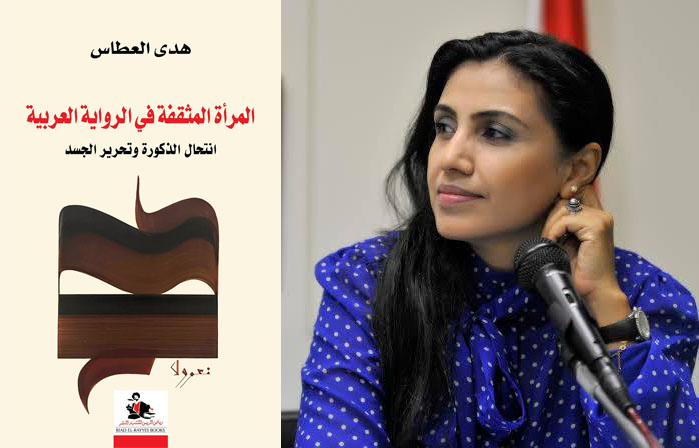
Arab women have paved their own paths in the Arab social and cultural sphere throughout history — especially in the early to mid-20th century — by any means possible, whether as writers, leaders, teachers, or founders of clubs, magazines, and movements. Like in reality, women’s determination to secure their positions in fiction is layered with complex barriers. A valuable addition to the Arab critical library, Yemeni writer and researcher Huda al-Attas’ new book, “The Cultured Woman in the Arab Novel: Appropriating Masculinity and Liberating the Body” (Riad Al Rayyes Books and Publishing, 2026), examines the presence and portrayal of women in Arab fiction, going beyond superficial analyses of women as social and emotional beings to question the ways culture, knowledge, and femininity intersect with her existence. Ali Jazo reviews the book in an article for Al Modon, “The Cultured Woman’ by Huda al-Attas: The Imitation of Masculinity and the Suspended Being.”
Clinging to the Fading Memory of Lebanon’s Jewish Community
By Naomi Pham
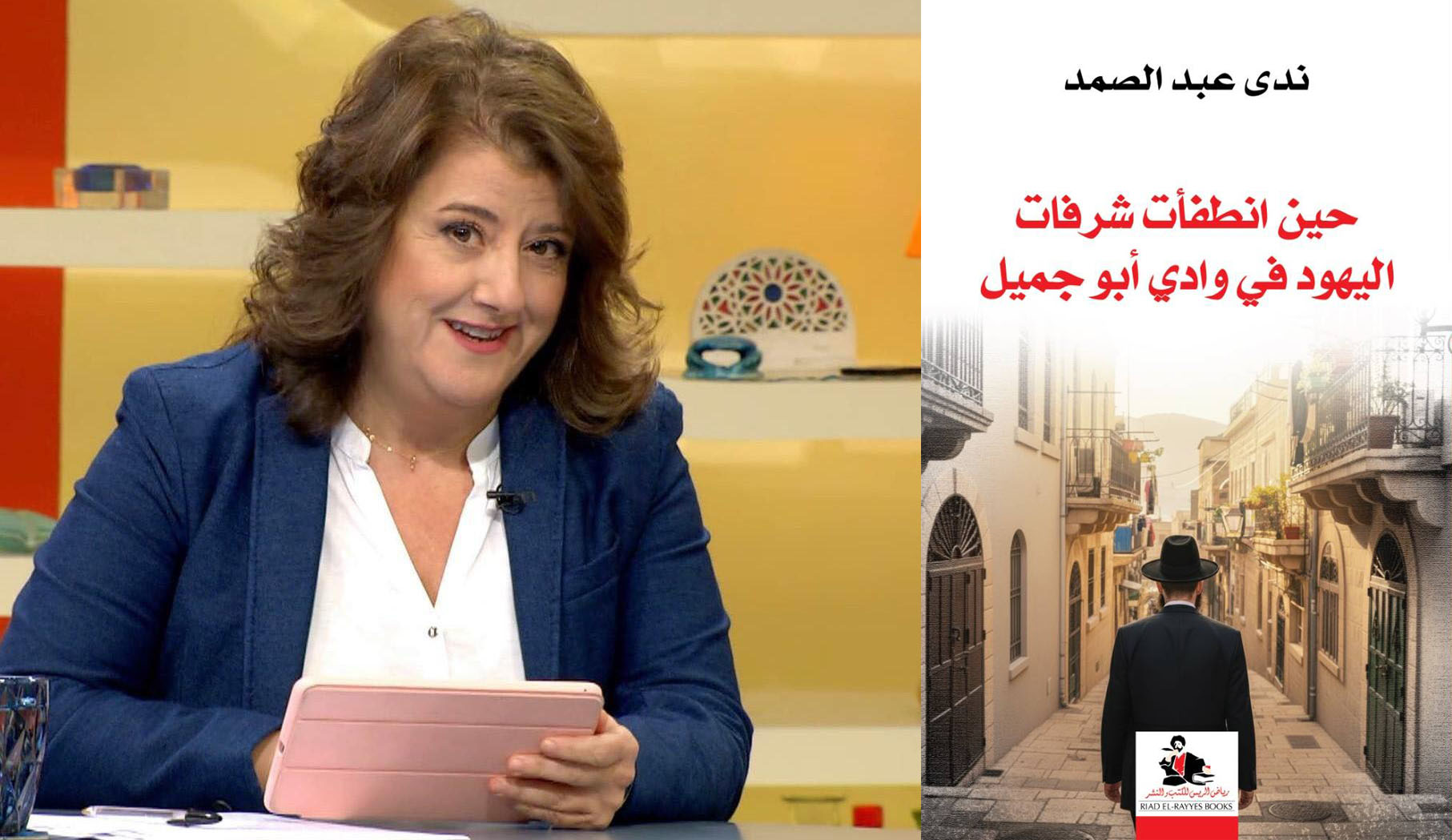
Lebanon’s dwindling Jewish community is not a recent development, yet it has been reported on like a fascinating phenomenon for years. The once-bustling Jewish quarter in Beirut, Wadi Abu Jamil, is a mere memory. The Magen Abraham Synagogue, built in the district in 1925, now stands abandoned as a silent witness to a bygone era. Only a few dozen members of the Jewish community remain in Beirut, and even fewer are known to the public. In 2019, Liza Srour, one of the last residents of the Jewish quarter, passed away. Last year, the community lost one of its last known members, the art critic and journalist Joseph Tarrab, who refused to leave Lebanon and remained until his death on January 1, 2025.
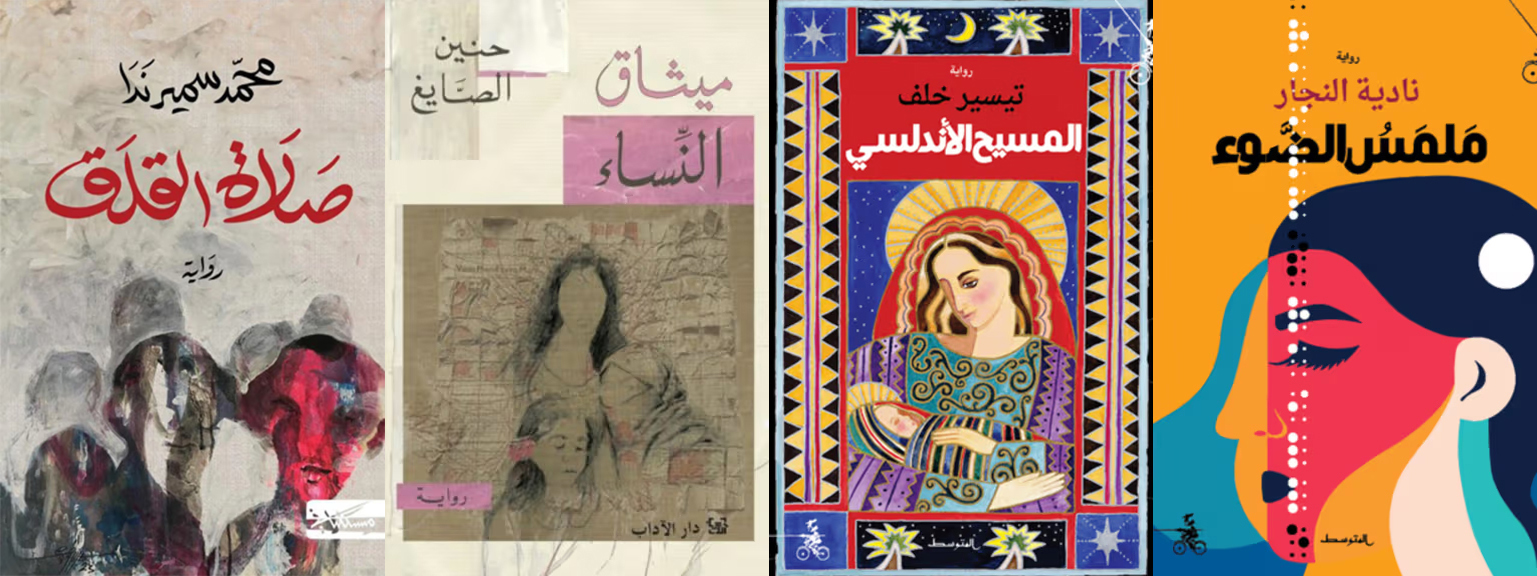
Not a year goes by without the same discussions questioning the authenticity of literary prize culture in the Arab world. Since its inception in 2007, the International Prize for Arabic Fiction (IPAF), often referred to as the Arabic Booker Prize, has been the subject of scrutiny among literary critics and authors. Ghazlan Touati's article "The 'Booker' and Arab Women Writers...
Novels about the migrant experience do not shy away from the brutal, heartrending hardships that come with the journey, whether the struggles of reaching their destinations or finding stability after arrival.
A reader may wonder why I am so captivated by prison literature. Personally and professionally, I have had to address this valid question with deep conviction, as it lies at the heart of Middle Eastern and Arab studies. Yet, I find it challenging to offer a concise answer for several reasons. One stems from my doctoral research on Syrian politics, where the themes of prisons and prisoners featured prominently.
What occurred on March 6 off the Syrian coast has long been anticipated following the downfall of the Assad regime. However, it unfolded several weeks later. The accurate prediction of violence on the Syrian coast did not require exceptional foresight but was tragically Pavlovian. The defeat of Assad's forces, primarily supported by the Alawites, at the hands of Hayat Tahrir al-Sham (HTS), a Sunni Muslim-dominated group, had set the conditions for a sectarian conflict. "Syria: Fear vs.
Narratives are powerful forces. When Syrians wake up after each conflict to proclaim or revive a narrative, they are, as Fadwa Abboud argues in her article "The War of Syrian Narratives" (published in Al Modon newspaper), "continuing their wars by other means." Abboud contends that Syrians are both victims and architects of the stories they tell about themselves. These narratives often evolve into tales of victimhood, shaping political and cultural growth through socialization.
Syrian blogger Mayada Tishori illustrates the challenges Arab women face regarding their personal and political rights in a compelling essay, “My Country Was Liberated… and Now It’s My Turn,” written in Arabic for the online Lebanese newspaper Al Modon.
Lebanon stands on the precipice of change with its election of a president independent of the corrupt old elite and the nomination of a reformist prime minister-designate. These tides of change usher in a new wave of enthusiasm and even optimistic euphoria among some, as expressed by many intellectuals, both Lebanese and Arab. The Algerian novelist Amin Zaoui stands out among some of these optimistic intellectuals, recalling Beirut’s ‘golden years’ of the 1950s, 1960s, and part of the 1970s.